SAFETY. WAYFINDING. BRANDING. PROMOTIONS.
Despite living in an age of technological advancement, it would be unwise to assume that signage is an outdated concept. Even in this digital era, consumers still need to locate businesses and organizations, and modern signage is more than capable of fulfilling this need. With cutting-edge materials, digital displays, and innovative surface wraps, among other advancements, custom signage solutions have evolved into an exciting and versatile marketing tool.
Sir Speedy, a reputable and experienced provider in the field, is pleased to offer its expertise and knowledge to help you achieve your signage goals. We offer a comprehensive array of branded signage systems, retail signage solutions, custom signage services, and signage design and installation.
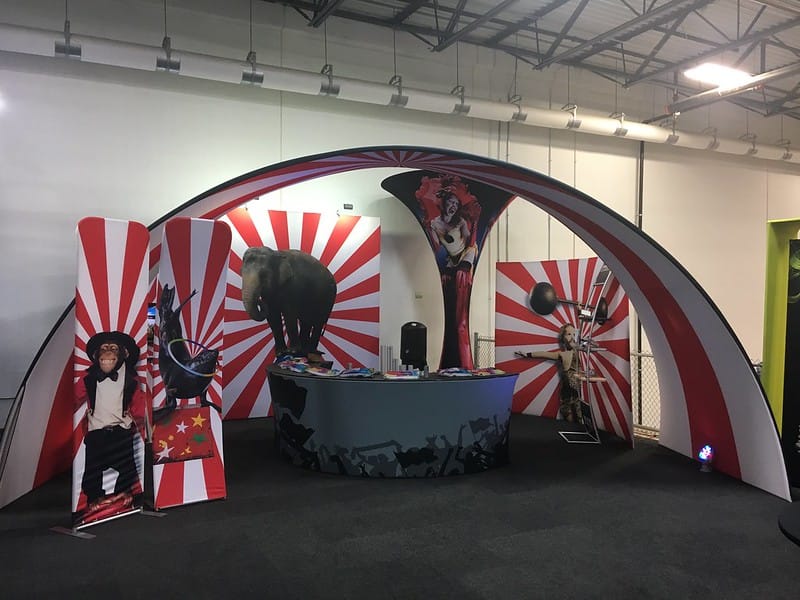
Signage is an essential element of marketing, as it enables businesses to communicate with their target audience and enhance their brand image. When it comes to signage, there are many variables to consider to ensure successful execution. Sir Speedy recognizes that proper placement, durability, and compliance regulations are crucial factors that contribute to the effectiveness of a sign.
Additionally, achieving the desired WOW Factor is crucial to capturing the attention of your audience and making a lasting impression. As a knowledgeable and experienced provider, Sir Speedy is a full-service signage company that is well-equipped to help you navigate these complexities and achieve your desired results.
We'll take care of you at every stage:
- Graphic Design
- Material Selection
- Compliance
- Installation
How Custom Signage Solutions Support Business Visibility and Operations
Custom signage solutions are tailored visual communication systems designed to support a business’s branding, visibility, and operational needs. These business signage solutions typically combine strategic design, material selection, production, and professional installation to ensure signage aligns with a company’s environment, goals, and customer experience.
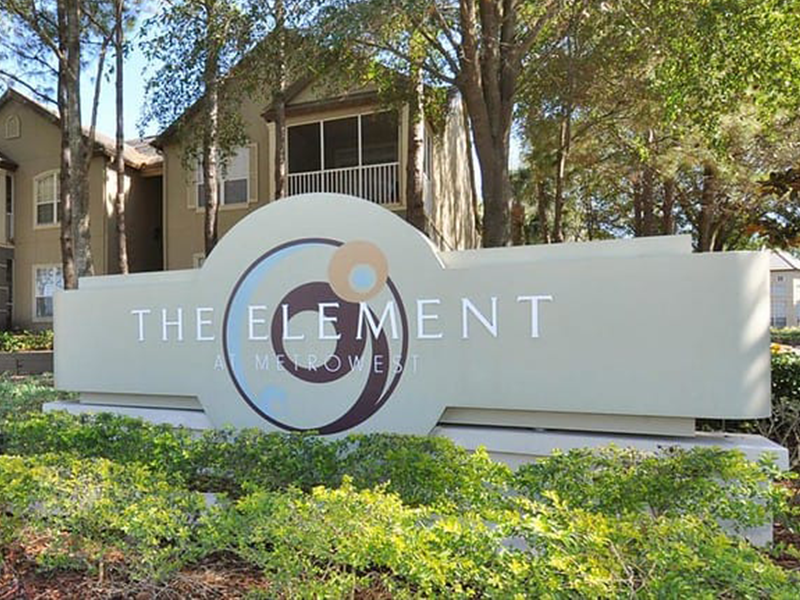
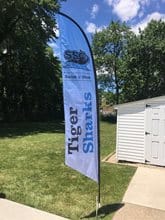
Exterior building signs, window signs, and storefront signs can support a variety of promotional signage needs. Custom signage solutions can help businesses create a cohesive identity across multiple touchpoints. By customizing signage and using multi-location signage solutions tailored to specific locations and functional requirements, businesses can ensure messaging remains visually consistent and practical for long-term use.
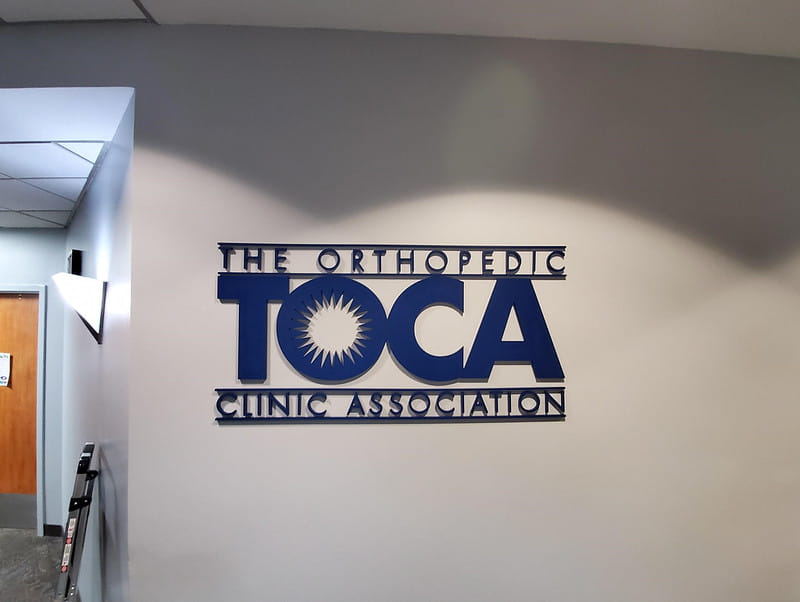
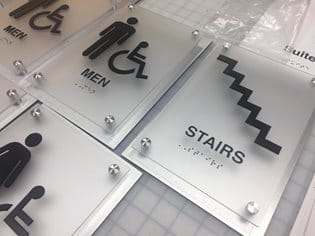
Signage plays an important dual role by supporting both marketing visibility and everyday business operations. Exterior outdoor signs help businesses attract attention, improve brand recognition, and drive foot traffic. Interior signs, such as industrial signage, office signs, ADA signs, and wayfinding signage systems, enhance navigation, reinforce branding, and communicate important information such as safety procedures or compliance guidelines.
Many businesses benefit from using multiple signage formats together, including building signs, lobby graphics, directional signage, interior and exterior signage, and promotional signage, to create a seamless customer experience. Investing in strategic signage planning allows businesses to determine the right combination of signage types, materials, placement, and messaging to support long-term growth rather than treating signage as a one-time project.
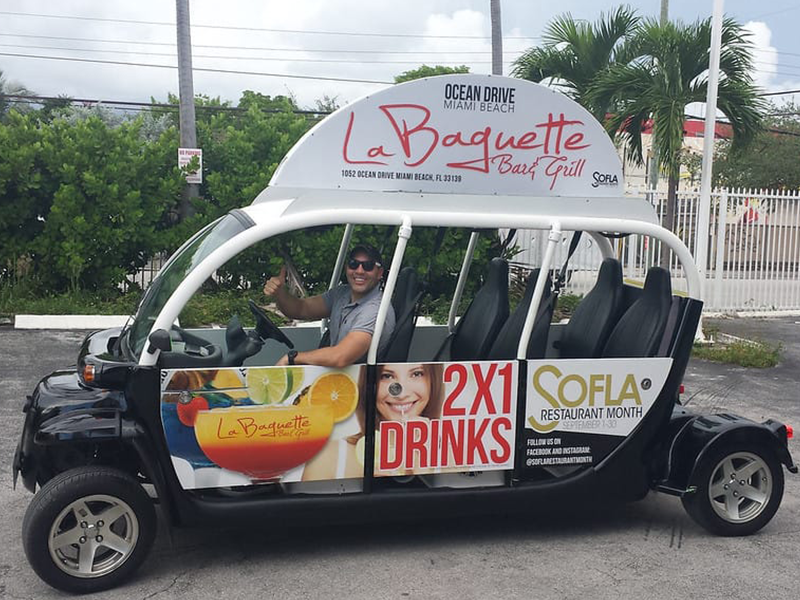
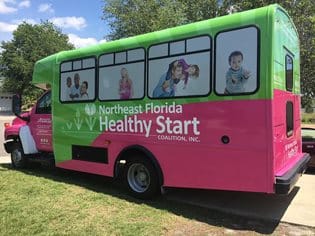
Vehicle Wraps

LED Signs
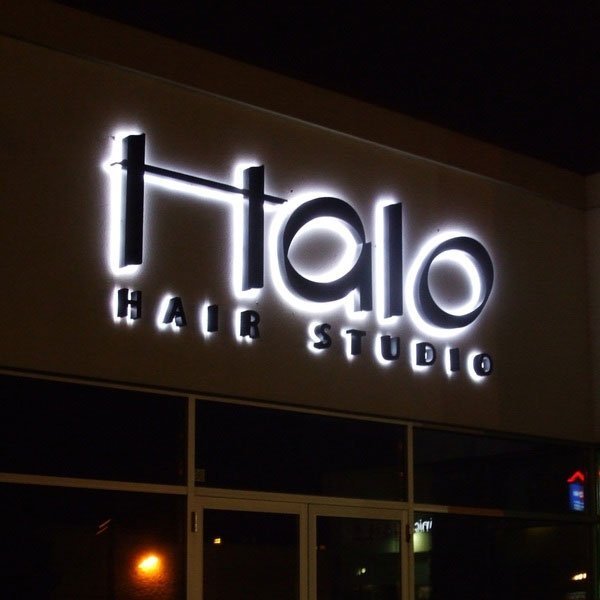
Put your company in lights with LED signage. From 24/7 branding to safety considerations, lighting can be a brilliant sign solution.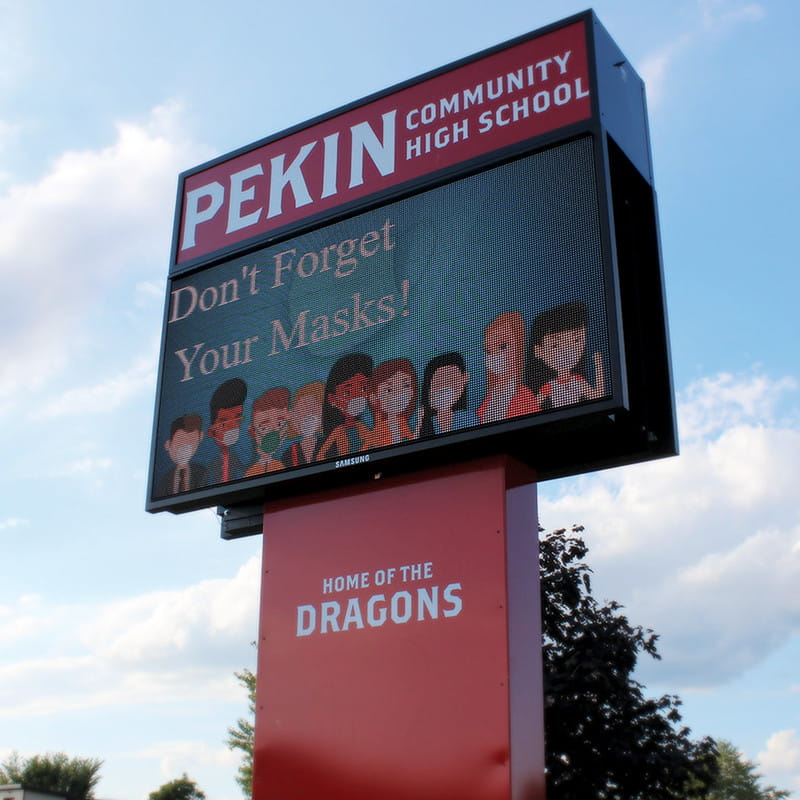
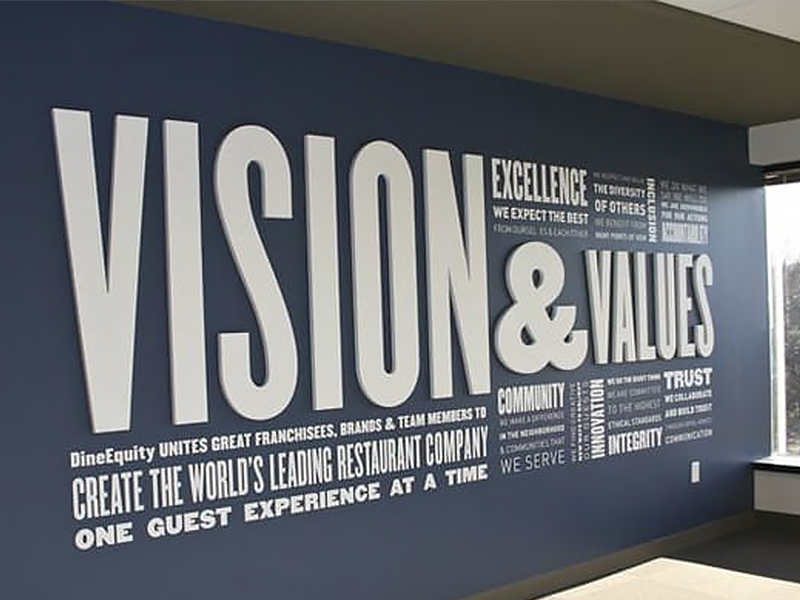
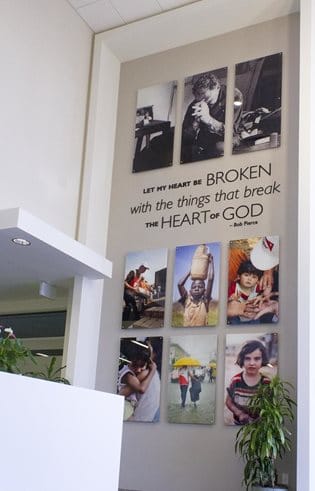
Wall Graphics
Create a wonder wall that is sure to attract attention and possibly findits way on social media posts!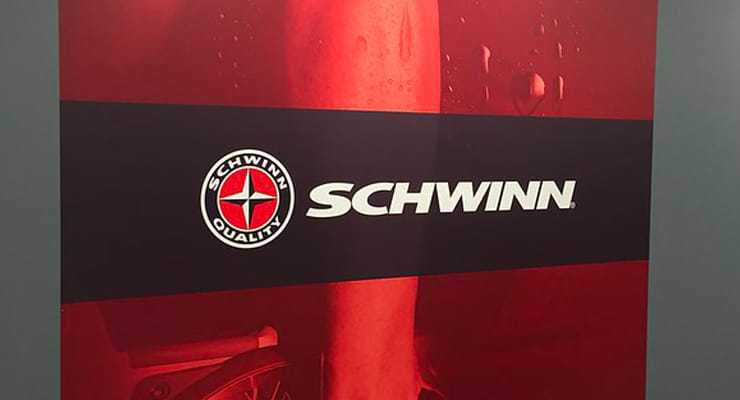
Window Graphics
Clearly, windows have a greater purpose–to hype your business. Don’t let those glass panes go to waste!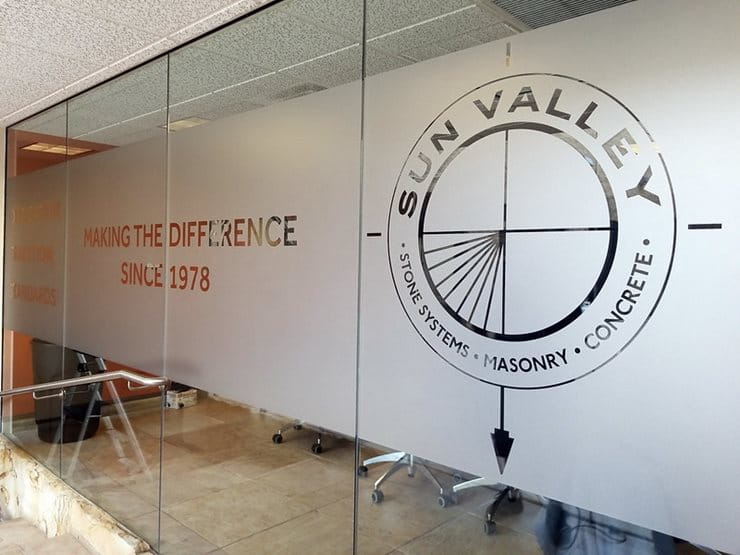
Key Considerations When Planning and Implementing Signage Projects
Effective signage begins with strategic placement and visibility, as even well-designed signs can underperform if they are difficult to see or read. Businesses should consider factors such as traffic flow, viewing distance, lighting conditions, and surrounding environmental elements when planning commercial signage locations.
Exterior promotional signage must be positioned to capture attention from passing vehicles and pedestrians, while interior signage should guide visitors clearly through a space. Visibility planning helps ensure signage delivers its intended message quickly and effectively, supporting both customer engagement and operational efficiency.
Material selection is another important consideration as it directly impacts signage durability, appearance, and long-term performance. Different substrates and finishes are better suited for specific environments, whether signs are intended for indoor branding, outdoor exposure, temporary promotions, or permanent installations. Weather conditions, sunlight exposure, moisture, and wear from high-traffic areas can all influence material decisions. Businesses should also evaluate installation and maintenance requirements during the planning process to ensure signage remains visually consistent and functional over time without requiring frequent replacement or repairs.
Compliance requirements can also shape signage design and implementation decisions. Local zoning ordinances, permitting regulations, accessibility standards, and property restrictions may affect sign size, placement, illumination, and installation methods. Addressing these requirements early in the planning process can help businesses avoid delays or costly modifications later.
In addition, maintaining design consistency across all signage formats reinforces brand identity by ensuring colors, typography, logos, and messaging remain aligned throughout interior and exterior applications. A coordinated signage strategy creates a more professional and cohesive customer experience while supporting long-term brand recognition.
Signs Products and Services

Frequently Asked Questions About Custom Signage
What should businesses look for in custom signage solutions?
Businesses should look for custom signage solutions providers that can manage the entire process, including design, material selection, production, permitting considerations, and installation. Experience with both interior and exterior signage is important as different environments require different approaches to visibility, durability, and functionality.
Companies should also consider whether a provider understands local zoning regulations and accessibility standards, which can help prevent delays or redesigns during implementation. For organizations with multiple locations or evolving branding needs, multi-location signage solutions are necessary to maintain consistency across signage elements. Many businesses will also need access to ongoing support for updates, replacements, or expansions. These additional features can also be valuable.
What types of signage are best for business visibility?
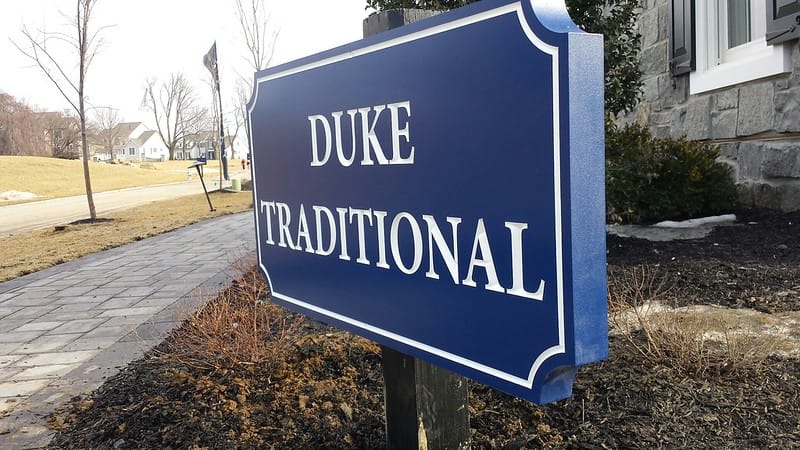
The best business signage solutions depend on a business’s location, audience, and marketing goals. Exterior signage, such as building signs, window signs, outdoor signs, monument signs, and vehicle wraps, is commonly used to increase visibility and attract attention from a distance. Interior signage, such as office signs, wall graphics, lobby displays, and window graphics, helps reinforce branding while improving the customer experience inside the space.
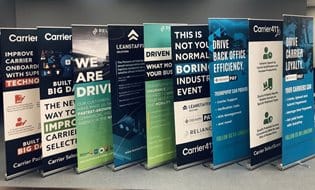
Businesses also frequently use promotional signage, such as banners and event displays, for temporary campaigns, seasonal messaging, or special events. Many organizations combine multiple signage formats to create a cohesive and recognizable brand presence.
What materials are used for custom signage?
Custom signage solutions can be produced using a wide range of materials depending on the intended application and environment.Custom signage solutions can include vinyl signs, acrylic signs, metal signs, and composite substrate signs, each offering different benefits related to appearance, durability, and maintenance.
Indoor signage often prioritizes visual presentation and branding aesthetics, while outdoor signs typically require weather-resistant materials capable of handling sunlight, moisture, and changing temperatures. Choosing the right materials helps ensure interior and exterior signage maintains its effectiveness, appearance, and structural integrity over time.
How long does it take to produce and install signage?
The timeline for signage production and installation depends on several factors, including design complexity, material selection, permitting requirements, and installation scope. Smaller or temporary signage projects may be completed relatively quickly, while larger permanent installations often require additional planning, approvals, fabrication time, and coordinated installation efforts.
The overall schedule is influenced by how efficiently the design, production, and installation phases are managed together. Planning ahead can help businesses ensure signage is completed in time for store openings, marketing campaigns, events, or rebranding initiatives.
What should businesses consider when planning signage?
When planning business signs, organizations should evaluate placement, visibility, and customer traffic flow to ensure signs are positioned for maximum readability and impact. Maintaining branding consistency across all signage types is also important for reinforcing recognition and creating a cohesive customer experience.
Compliance with local regulations, zoning requirements, and accessibility standards should be addressed early in the process to avoid complications during installation. Businesses should also consider long-term durability and maintenance requirements when selecting materials and signage formats to help ensure lasting performance and visual consistency.

Robin Ure
The quality is fantastic. The graphic designers were great to work with and patient with me in getting me what I needed.

Jimmy Lewis
Bernie and her staff always do a great job on the hats and shirts that we have brought to her. They provide quick turn arounds also. I would highly recommend them!!

Lenny Renteria
Excellent experience and quick turnaround time. I am pleased with the way my business cards turned out and will be back for other products.

Jill Walker
Tina designed the most beautiful flag for Copper King Lodge! It will be proudly displayed at The Will Rogers Range Riders annual rodeo on July 4th weekend in Amarillo, TX. Tina is always so helpful and we appreciate the dedicated customer service we always get when using Sir Speedy!

Laurie Kemp
I recently used Sir Speedy for a print job, and they were fantastic to work with from start to finish! The turnaround time was incredibly quick, the quality was superb, and the entire team was so welcoming and accommodating throughout the process. They are always responsive, helpful, and willing to jump in to make things easy. It’s clear they truly care about customer service and delivering a great final product. I highly recommend Sir Speedy for anyone looking for reliable, high-quality printing services!

Brent McFarland
Update: May 2026: Always a great experience AND an even better product! Bernie, Tina, and Ivan were fantastic to work with, as well as helpful and professional. Always a positive experience, and Bernie and the Team at Sir Speedy go WAY above and beyond to make our product look amazing!

Zach Taylor
When our original order did not meet their (not our) standard they insisted on a reprint. They allowed us to take the "defective" order due to a time time sensitive need and gave us the reprints for free. This level of customer service is unheard of these days and I am very grateful to have placed my order with them!!!

Scarlet Door
The team at Sir Speedy always do a great job with our print work. Our business cards are first class and high quality, they look great. Definitely recommend them for printing services.

Lee Erin Koehler
Really enjoyed working with this team on our Save the Dates. Communication was great, turnaround was quick, and everything turned out exactly how we hoped. Would absolutely work with them again and highly recommend!

Steph Bechard
THANK YOU for quickly accommodating our print order with a quick turnaround time and assurance to quality. I really appreciate your team getting the project into production quickly, and then also FaceTiming me with questions to address the issues quickly! I am very impressed, and very thankful.

KT Texas
the crew at sir speedy amarillo was Just awesome! they made sure everything was correct on my 1st new order an the Art Graphic dept. made sure my art was just going to work . It came out just Perfect! Communication was Great here!! Thats i so appreciated!

Billy G. Penton
I recently had some business cards printed up. And a metal sign made for my company. I am 100% happy with both! Sir Speedy did a fantastic job. Thank you Bernie!! I’ll be in touch soon to talk about some hats and some shirts.

Vivian Cockrell
I've been using Sir Speedy for over 12 years and thier management, staff, and service is exceptional! Their designer team took my ideas and turned them into exactly what I was needing. Highly recommend!

tr reyen
Signs look fantastic as always. We have been doing business with Sir Speedy for a long time. They are great professionals and always do a great job for us.

Tim B
Tina and the Sir Speedy team are amazing! We are in town for a work trip and needed multiple printouts on different paper and card stock. Not only did she help us out in a pinch as it was 8am only a few hours before our meeting, they handled multiple requests and everything came out perfectly. I highly recommend them and will be visiting them the next time we are in Amarillo!

Riley Wilson
These guys not only nailed the actual printing and products that I asked for, but they were extremely helpful along the process. I can’t say exactly how much they helped me as I don’t want to tell the internet what to expect, but I will say that I felt very special and very much appreciated their help. This was my first time having anything printed and it was business cards and flyers for my first real attempt at a small business and the folks at sir speedy were really helpful about critiquing my design and offering to make changes. I elected to try to redesign the card myself as I was working on a very strict budget and could not afford to add design time to my tab. I brought in a second option after taking their advice and they got the process rolling!! They had 100 front and back business cards and 40 5x7 flyers done for me in a little less than a week I think. Anyways, I’ve recommended them to everybody I know that could use some print work and absolutely plan to use them again shortly!!

Brent McFarland
Always a positive experience, and Bernie and the Team at Sir Speedy go WAY above and beyond to make our product look amazing!

Sweet By Cara Linn
We always have a great experience! It's quick and easy to deal with Sir Speedy to get the marketing products we need. The customer service and end result is always great.

Chance Lytle
Great Work! Really quick , and they make sure quality is perfect, very reasonable prices you will get better service, quality and timing than major retailers like Office Max

Kathy Ray
Sir Speedy in Amarillo was superb in working with me and delivering exactly what I ordered, in a timely manner with an excellent price! Our customers love the products, and we do too! Thank you so much for your hard work and dedication.

Jennifer Anguiano
I've been working with Tina and Sir Speedy for a while now and they ALWAYS do the most amazing work. They definitely know how to take care of their customers!

Justin Miller
I have been using Tina and the Sir Speedy crew for years; they do amazing and efficient work. You will not be disappointed!

Brandon Garcia
Sir Speedy in Amarillo has become my favorite shop to get shirts embroidered for my business! They always do a great a job and I'll continue to go back. Thanks for all you do Sir Speedy!

Jennifer Cobos
Sec. 574.0455. LIST OF QUALIFIED TRANSPORTATION SERVICE PROVIDERS. (a) The commissioners court of a county may: (1) establish and maintain a list of qualified transportation service providers that a court may authorize or with whom a person may contract to transport a person to a mental health facility in accordance with Section 574.045; (2) establish an application procedure for a person to be included on the list, including an appropriate application fee to be deposited in the county general fund; (3) contract with qualified transportation service providers on terms acceptable to the county; (4) allow officers and employees of the county to utilize persons on the list on a rotating basis if the officer or employee is authorized to provide transportation under Section 574.045 and chooses to utilize a qualified transportation service provider in accordance with the terms of the contract approved by the commissioners court; and (5) ensure that the list is made available to any person authorized to provide transportation under Section 574.045. (b) The executive commissioner shall prescribe uniform standards: (1) that a person must meet to be listed as a qualified transportation service provider under Subsection (a); and (2) prescribing requirements relating to how the transportation of a person to a mental health facility by a qualified transportation service provider is provided.

Mark Crawford
Sir Speedy is a great team that always delivers a great product. We love working with them.

Sara Gifford
We have been very happy with the quality of the work done at Sir Speedy. The staff are all kind, helpful, and professional.

Andrew Keel
Tina literally had my order ready 15 minutes after I called her to place it. She’s a rockstar!! Great job! I will be back!

Crystal Pennington
Sir Speedy is always fast and reliable. Our full color newsletters are always printed and mailed with astonishing speed and quality!

Diane Mendez
Friendly, courteous and professional service! We appreciate that we can count on Sir Speedy for all of branding and print needs.

Jason Crespin
Sir Speedy does an amazing job EVERY time! Great customer service as well!

Emily Green
We always have a great experience with Sir Speedy! They provide proofs, are easy to communicate with and products are ready quickly! Highly recommend!

Keli An Frates
Sir Speedy undoubtedly has the best service! They are always efficient, quick and print quality product! We will always be loyal customers!

Elizabeth Meagan
We used Sir Speedy and they were awesome!

Kyla Hughes
Sir Speedy was a great fit for us. Amazing service and the product was better then we even expected.

Jose Vasquez
Great product and customer service! Opening early too is a plus!

Tiffany Reagan
Sir Speedy is top-notch, from customer service to quality of product!

Campbell Holt
Sir Speedy is amazing! My order was perfect and arrived very quickly- Sir Speedy lives up to the name! Excellent customer service and excellent final product!

Sissi Davis
Excellent service, always on time, great quality, and professional customer service! May God bless your business always!

Thomas Marsh
The best customer service! Tina at Sir Speedy took our last minute escalation printed all the documents we needed and delivered them to our customer in a moments notice before the deadline. THANK YOU SO MUCH TINA!!!!!!

Robert Forester
I just ordered 2 posters to be printed... it was a rush order and they were able to help me out. They look great too and the price was very reasonable. Highly recommend!

John Kostakos
This is by far the best printing company I have ever used. Fast efficient and great pricing. I am beyond happy and we will use them for all our printing needs

John Cardenas
The staff here has always been amazing for me to work with. I have used other printing companies including the "big" ones office depot and kinkos, and Sir Speedy by far surpassed my expectations and the price was outstanding. I will make sure to use this location from here on out for all my projects.

Ted Perry
Great print shop in Amarillo

Rick Mcghee
They do very very good work Thunder Lawn Service recommends them

James Land Realtor Buying/Selling Call 806-517-8895
Tina and Josh as well as the entire staff at Sir Speedy do a fantastic job. They provide you with updates when they receive projects and send proofs before the work is put into production. Not only do they inform you if there are any issues or concerns, they provide solutions or additional alternatives to where the job can be completed. It's been a pleasure doing business with them and will be recommending them to others to use as well. Great job!

Ramona Coffman
Sir Speedy always does a fantastic job with any work I bring them. They are quick, accurate and competitively priced. I would highly recommend them for any projects you may have.

Jeff Albert
Had my business cards done here and they are all great people. Always helpful.

Michael Hunt
Sir Speedy does an excellent job on all my printing projects. Fast turnaround and great customer service.

Brian Winkelman
Bernie, KayLynda and the team at Sir Speedy does a great job for us. Whether its custom brochures, signs or truck graphics, they provide quick and professional products to keep us looking good in front of our customers.
Sir Speedy Amarillo
Amarillo, TX 79101
Business Hours
- Monday: 8:00 AM - 5:00 PM
- Tuesday: 8:00 AM - 5:00 PM
- Wednesday: 8:00 AM - 5:00 PM
- Thursday: 8:00 AM - 5:00 PM
- Friday: 8:00 AM - 5:00 PM
- Saturday: Closed
- Sunday: Closed
- Phone number: 806-342-0606
- Email: [email protected]
- Directions