
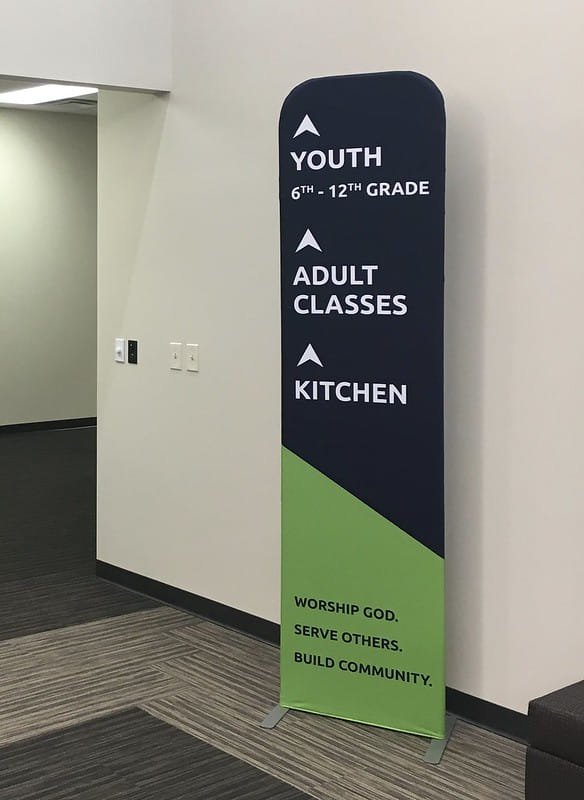
ADA & Wayfinding Signs
Can you imagine the chaos and confusion that would ensue if you were trying to navigate your way through a complex environment like a hospital, stadium, or office building without any signage to guide you? It would be a nightmare, with people getting lost, going in circles, and wasting precious time and energy.
Thankfully, signage is hard at work in our everyday lives, directing us to where we need to go, identifying restrooms and fire exits, warning us about environmental hazards, and much more. From the workplace to public spaces, signs play a critical role in keeping us safe and informed.
That's why Sir Speedy, a trusted name in the world of printing and marketing services, is dedicated to ensuring that businesses and public spaces are properly outfitted with the right kind of signage. We understand the importance of complying with various sign requirements, such as the Americans with Disabilities Act (ADA), the Manual on Uniform Traffic Control Devices (MUTCD), Braille standards, and more.
With Sir Speedy's help, you can be confident that your business or public space is not only well-designed and attractive, but also functional and aligned with relevant signage requirements. Whether you need wayfinding signs, safety signs, promotional signs, or any other type of signage, Sir Speedy has the expertise and experience to meet your needs.
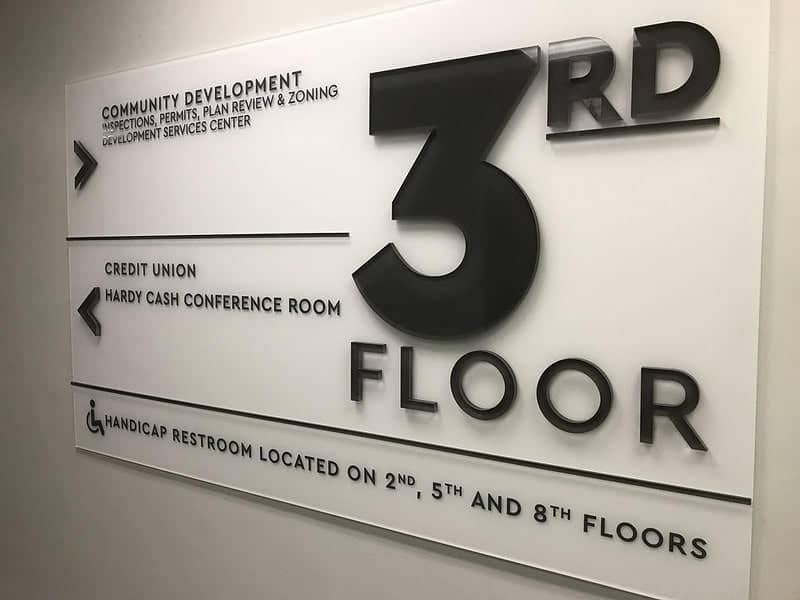
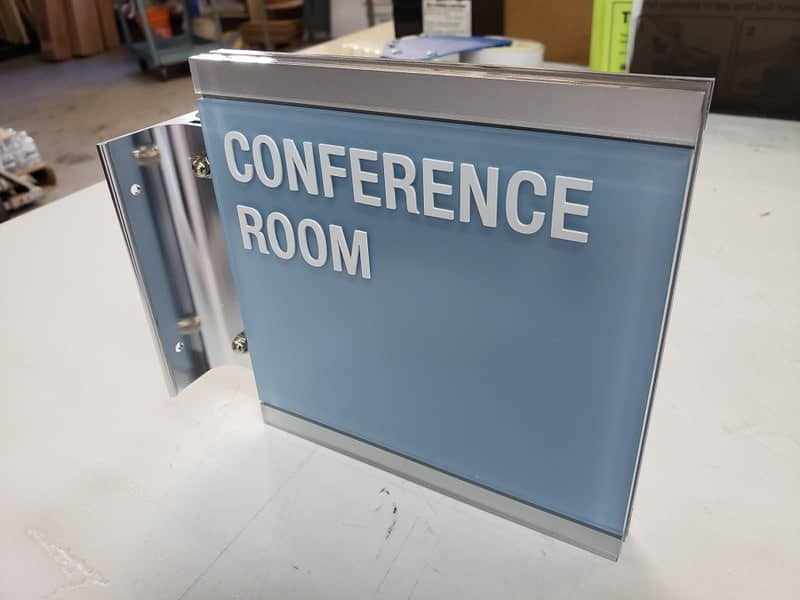
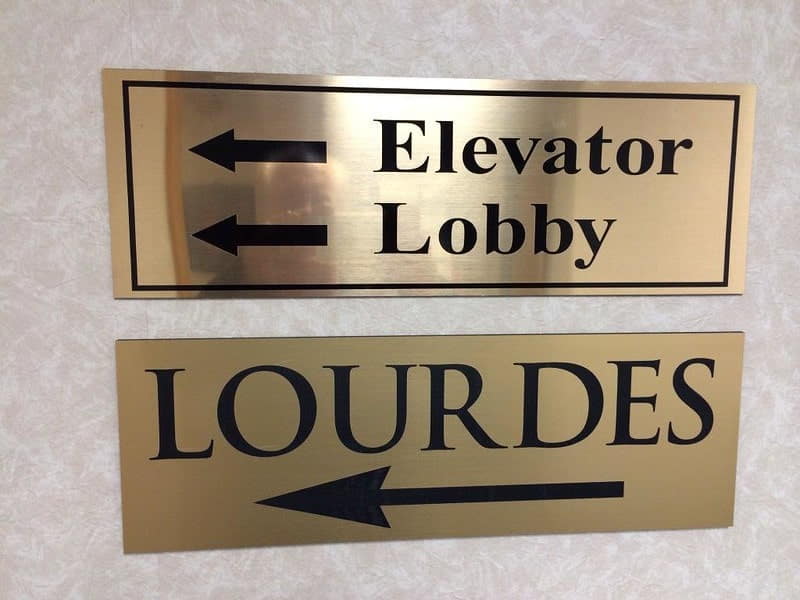
Consistent Branding Across ADA and Wayfinding Signage.
Custom wayfinding signs do more than point people in the right direction. They also help create a facility that feels organized, polished and connected from the moment someone walks through the door. That comes into play in offices, healthcare facilities, schools, hotels, retail environments, public buildings and other spaces where visitors need clear direction without a guessing game.
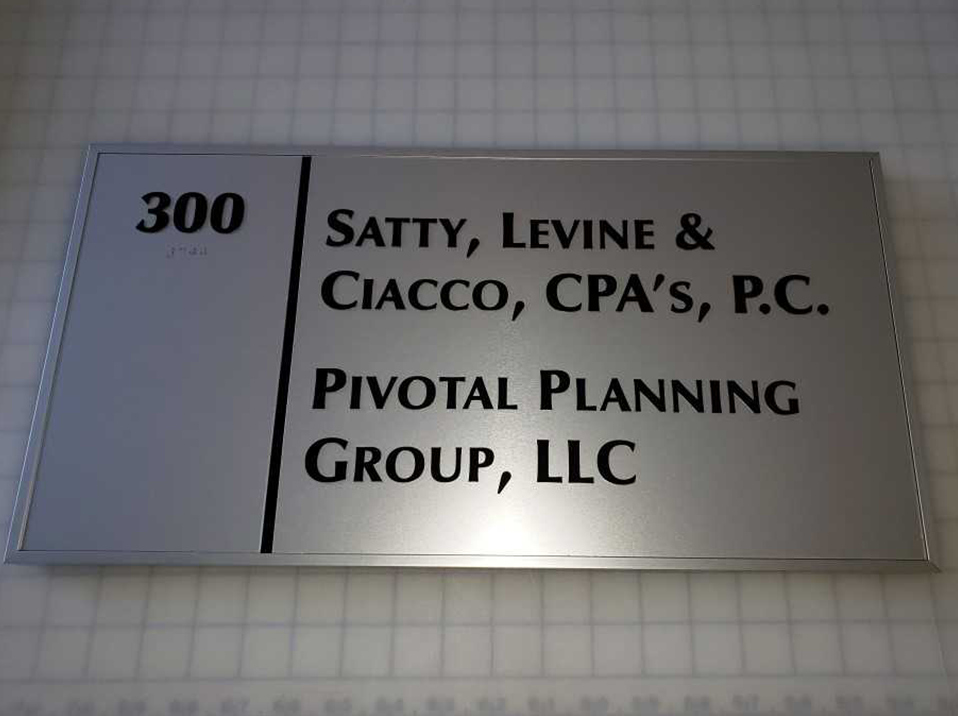
A coordinated ADA signage system can support accessibility while still reflecting your brand. Colors, typography, materials, dimensional lettering, tactile elements and architectural finishes can all be incorporated into custom wayfinding signs when designed with readability and compliance in mind. In other words, clear signs do not have to look clinical or disconnected from the rest of your space.
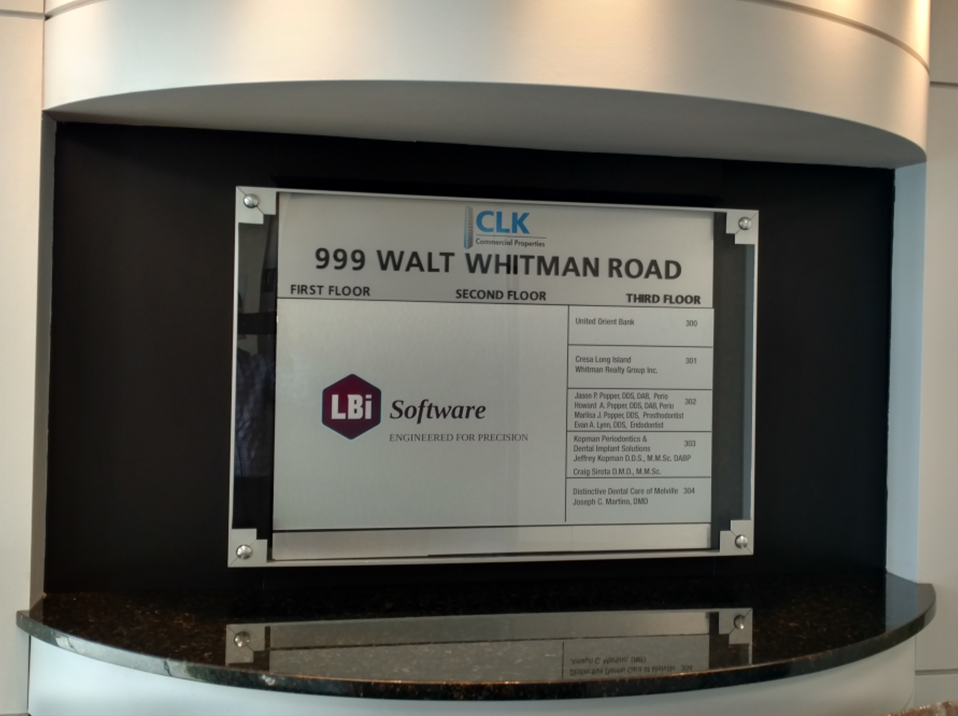
Consistent signage design across entrances, directory signs, room identifiers, directional signs and other facility navigation signage can help reinforce your brand while improving the appearance and organization of your environment. A lobby directory sign, office wayfinding sign or wall-mounted directional sign should feel like part of the same system, not a last-minute add-on.
Material selection also plays an important role. Interior directional signage and exterior signs may require different materials based on visibility needs, durability expectations, traffic levels and overall design goals. For some spaces, that may mean sleek architectural finishes. For others, it may mean durable, easy-to-read commercial ADA signage designed for high-traffic areas.
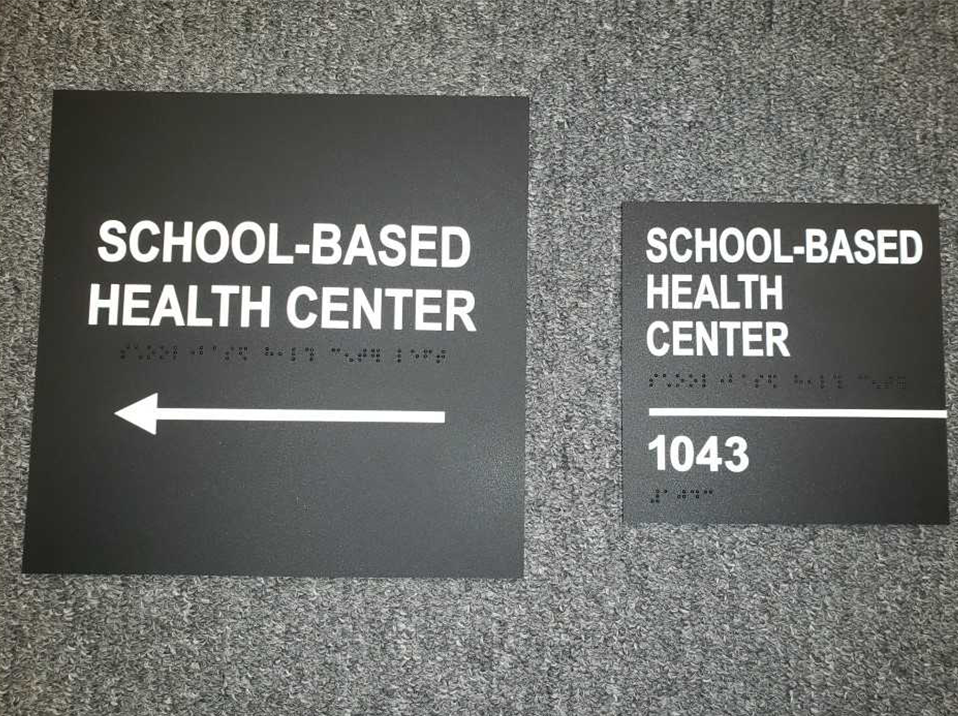
Sir Speedy can help bring the pieces together. From ADA room identification signs and Braille wayfinding signs to branded directional signage, facility directory signs and other signage solutions, our knowledgeable specialists can help with design, production and installation. We can also coordinate related elements, such as dimensional wall signage, to help your space speak clearly and look the part.
When signage works well, people may not think about it at all. They just know where to go.
Frequently Asked Questions
What are custom wayfinding signs used for?
Custom wayfinding signs help guide visitors through commercial, healthcare, educational, hospitality and public environments. They may identify entrances, exits, departments, offices, meeting rooms, elevators, restrooms and other important destinations.
In larger or more complex spaces, wayfinding signs work together to reduce confusion and support a smoother visitor experience. Directional signs, directory signs, ADA room identification signs and interior wayfinding signage can all help create a more organized and accessible environment.
What factors should businesses consider when designing ADA signage?
ADA signage planning may include readability, contrast, tactile lettering, Braille requirements, mounting placement and sign visibility. Businesses should also consider traffic flow, accessibility requirements and the building layout when deciding where each sign should be placed.
A well-planned ADA and wayfinding sign system should help visitors move through the space with confidence while aligning with applicable accessibility guidelines. Consistent design standards across the facility can also improve navigation and create a more cohesive user experience.
Where are ADA and wayfinding signs commonly installed?
ADA and wayfinding signs are commonly installed in office buildings, healthcare facilities, schools, hotels, retail environments, government buildings, entertainment venues and other public or commercial spaces.
These signs may be used throughout interiors and exteriors to identify rooms, exits, accessible routes, directories, safety information and key destinations. Larger facilities often use coordinated signage systems to support navigation across multiple floors, entrances, departments or buildings.

Natalia Marchese
Fantastic people, service, and products. Ron is an amazing asset to this company. So happy to have them here in St Augustine!

Elissa Lyons
Thank you so much for the speed of your responses, turn around time, and delivery. Your company, for both times that we have used your services, has provided great reliability and the end product turned out fantastic.

Shelby Hodges
Robert and his team always go above and beyond!! They helped us out immensely during a pickle and helped make our event a success! Couldn’t recommend them more!

Tracie Thompson
I’ve used PIP printers in St Augustine the last few years for my holiday printing needs. I’ve found the customer service, quality of work and turn around time to be exceptional. I will continue to use this team for my printing needs and would recommend them to anyone looking for similar work.

Sandy Sandy
The front desk staff is very friendly demonstrating a great customer service , to start with! As a first time customer and starting a brand new small business, Faith, an excellent skilled designer, helped me in creating banners and labels I needed to start showing off my products. Faith was attentive and patient. My order was fulfilled in a timely fashion.

Kevin Rose
As a longtime customer, I always enjoy my business with PIP. They make a lot of my mistakes disappear.

Mim Cooper
PIP has always done quality work for our organization. We have been using it for printing our brochures and bookmarks for several years. We have never been disappointed.

Austin Spinning
I am Austin with Flooring and More By Austin and I would like to say PIP Printing Exceeded my Expectations today I’ve been doing business with this company since 2016 and my Guy Ron has always done a great job with my business cards, vehicle wraps, and sign at my shop. Ron loves what he does is very professional and his priority is to make sure I am happy. PIP Warranty’s there work and stand behind their products. So leave Vista print and go to PIP where they make you feel like family not another number.

ken bryan
Quick and professional service

Don Page
Very professional and helpful. I had my designer send my business cards here to print and was really nervous there would be some mistake or miscommunication. They put all my worries to rest and the end result was fabulous. It helps they have graphic designers on site that understand print. Thank you Larry for all your help!

EKP
Great customer service!

Trish Grace
100% definitely recommend PIP signs !!!! I work with Steven and his creativity was amazing. My business has been open for almost two years and I talked to several other sign companies but, I didn’t really know what I wanted so it was put on hold. Stephen came up with great ideas that I never would of on my own. I are so happy with the new signs and the whole fast process . I look forward to doing more business with PiP signs in the near future.

K Dodd
The Quality and Service is the Best in St Augustine! Would never go anywhere else. They are always punctual and dependable. They are like family there and thats how they treat there clients.

Kathy
I love this printing company and promotional specialty products they help design for me! Staff is absolutely amazing!

Brandi edenfield
Highly recommend Pip Marketing! Stephen is very accommodating and his work is remarkable! I will most definitely be using them again for future projects. Thank you for such a great experience!

Julie Stephens
Absolutely blown away with the Customer service, attention to detail, care and quality by this outstanding Local marketing company. So pleased with my signage. already recommended to several of my Salty Sisters. Who within days had their own fabulous auto & business widow decals up. You guys Rock Thank You! OceanHippie LLC ~Stay Salty

Carlos Williams
Have used them a few times for emergency printing needs (flyers, programs, bookmarks). Always a great price and quick turnaround. Staff is helpful and ensure the customer is happy with the job done.

Joseph Edger
This PIP location was referred to me by someone that knows publishing and distribution. Very professional and personable. I dropped in out of nowhere and they did more than the minimum. Ron and Robert walked me through design and layout to transform my project into an eye-catching mailer deliverable in less than a day! They know their stuff….top notch, one-stop shop for most of my business needs. Reliability like this is a jewel.

Morris Zafrani
Steve was cordial and welcoming! Even though our first order was very small, they treated us like a life long client which gave us lots of confidence in them. We have placed several more orders since then, and each one was finished perfectly on time and the quality was exceptional!!!
Sir Speedy St. Augustine
Saint Augustine, FL 32086
Business Hours
- Monday: 8:30 AM - 5:00 PM
- Tuesday: 8:30 AM - 5:00 PM
- Wednesday: 8:30 AM - 5:00 PM
- Thursday: 8:30 AM - 5:00 PM
- Friday: 8:30 AM - 5:00 PM
- Saturday: Closed
- Sunday: Closed
- Phone number: (904) 825-2372
- Email: [email protected]
- Directions