
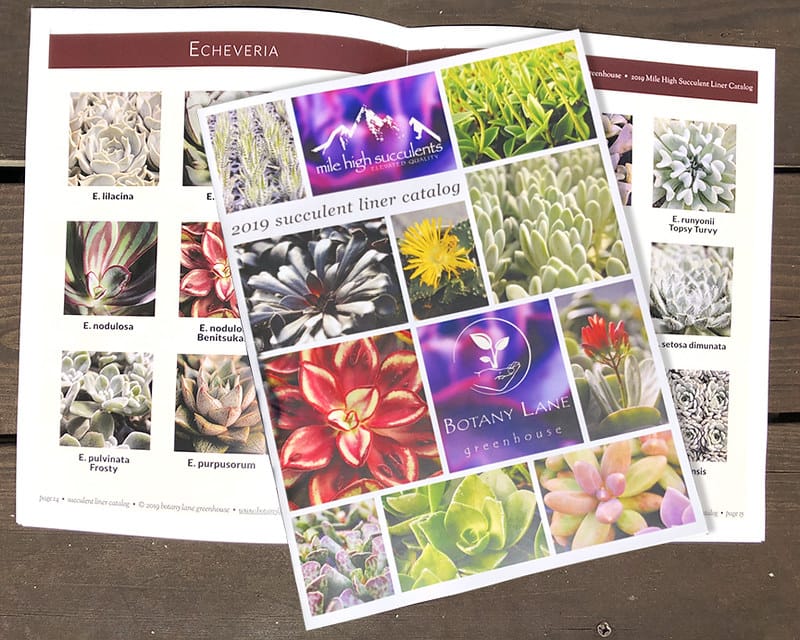
MANUALS & CATALOGS
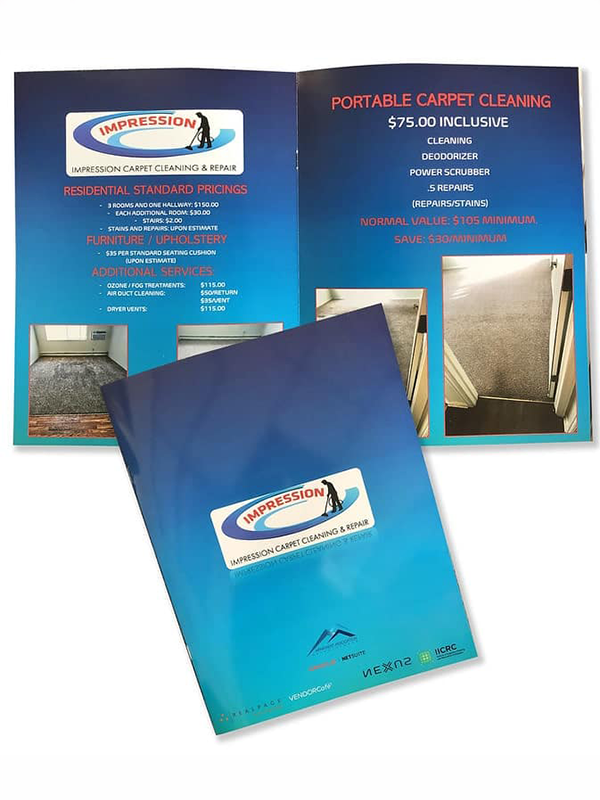
Designing effective manuals and catalogs requires a disciplined approach that takes into account various factors such as the use of tabs, color gradation, foldouts, durable finishes, coil bindery or other means. It is essential to consider the purpose of the manuals and catalogs, how they will be used, and the expected frequency of use.
One of the key factors to consider when designing manuals and catalogs is their intended use. Will they be referred to on a daily basis, used outdoors, or updated frequently? Depending on the answers to these questions, you may need to consider different design and printing specifications. For example, if the manual is expected to be used outdoors, you may need to use a durable finish that can withstand exposure to the elements.
Another important factor to consider is the expected shelf life of the manual or catalog. If it is expected to have a long shelf life, then you may want to consider using high-quality paper and printing techniques that will ensure that the manual remains in good condition for a long time.
When designing manuals and catalogs, it is also crucial to ensure that they align with your corporate branding. This includes using consistent colors, typography, and imagery that reflect your company's values and brand identity. Your manuals and catalogs should be an extension of your brand and demonstrate the same level of professionalism and attention to detail.
In conclusion, designing effective manuals and catalogs requires a disciplined approach that takes into account the intended use, expected frequency of use, and expected shelf life. By considering these factors, you can make strategic decisions about the design and printing specifications that will ensure your marketing tools function properly and reflect your corporate branding.
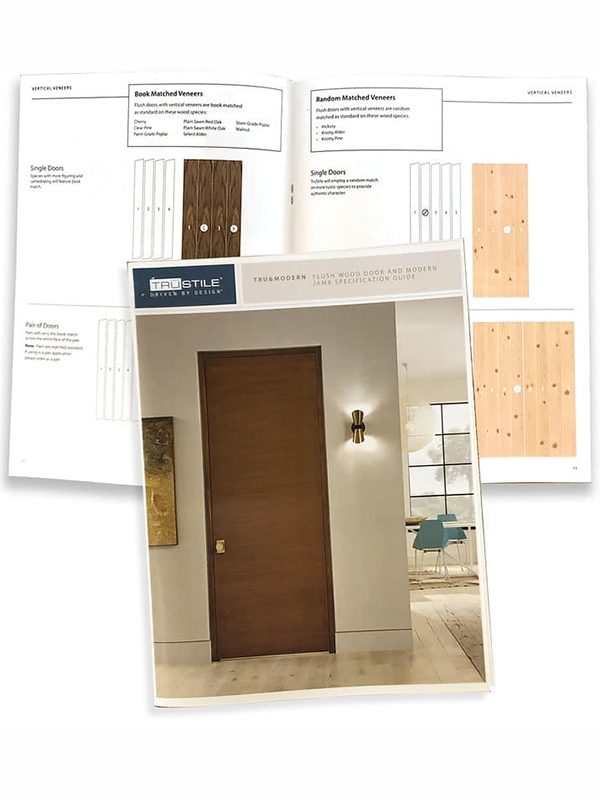
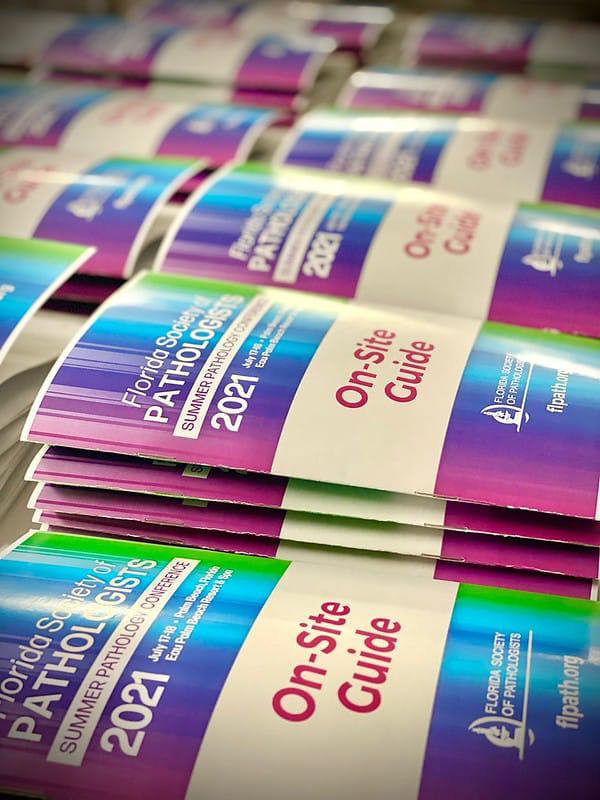
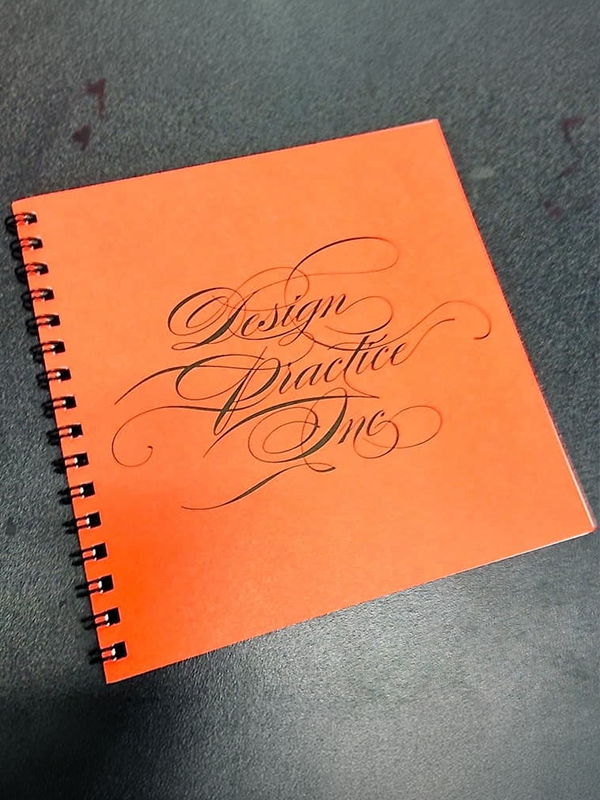
Custom Printing Options for Manuals, Catalogs, and Booklets
Today’s manual printing services offer far more than standard stapled pages. Businesses can choose from a wide array of options including:
- Custom printed manuals
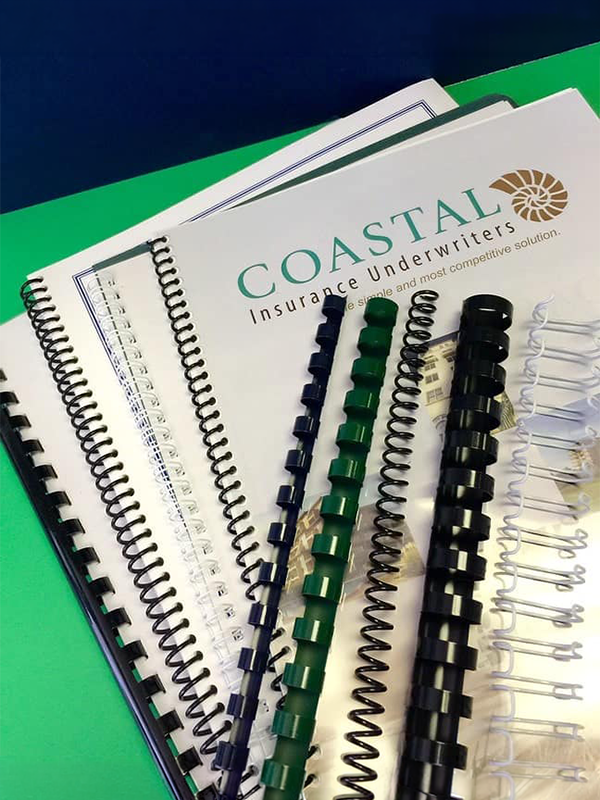
- Spiral bound booklets
- Comb bound manuals
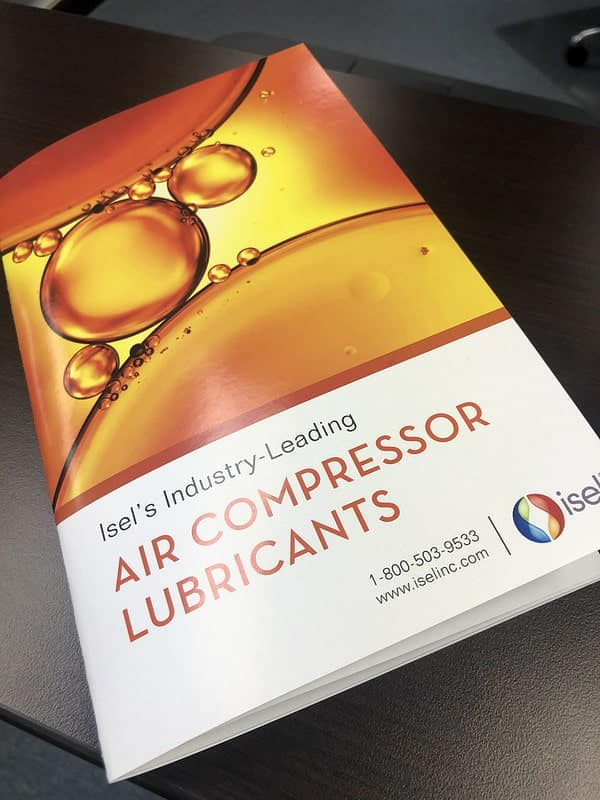
- Perfect bound catalogs
- Tabbed reference guides
The format often depends on how the material will be used in the real world, whether at a desk, on a manufacturing floor, in the field, or during customer presentations. When thinking about what will work best for your business, consider these important factors.
Binding
Binding plays a major role in both functionality and usability. A spiral bound manual or comb bound manual allows pages to lay flat, making them ideal for technical manual printing, maintenance manual documentation, training materials, and equipment manual printing where hands-free reference is important. Saddle stitched booklets work well for lighter product manuals or shorter employee handbook printing projects, while perfect binding creates a polished, professional look often preferred for product catalog printing and customer-facing publications.
Durability
This is another key consideration in custom manual printing services. Materials that are handled frequently require paper stocks, coatings, and finishes designed to stand up to wear over time. Commercial manual printing projects used in industrial, healthcare, warehouse, or field environments may benefit from heavier stocks, laminated covers, moisture-resistant coatings, or reinforced binding options to help extend the life of the document.
Flexibility
For businesses managing evolving information, flexibility matters too. A manual printing company can help coordinate updates, revisions, and reprints, so materials remain accurate and consistent across departments, locations, and teams. This is especially important for a corporate policy manual, an onboarding manual, or technical documentation that may change regularly due to operational updates or compliance requirements.
Print Runs
Short-run manual printing is often a smart solution for businesses that need smaller quantities for testing, training, or limited distribution without committing to large inventory orders. Meanwhile, bulk manual printing services support larger rollouts for product launches, franchise systems, educational programs, or enterprise-wide documentation needs.
Design
Design choices also influence how effective the finished piece will be. Clear layouts, organized sections, tabbed dividers, readable typography, and durable production methods all help users quickly find and understand information. For customer-facing applications like a custom product catalog, visual presentation and print quality help reinforce brand credibility while showcasing products in a clean, organized format. At Sir Speedy, we help businesses simplify the process from design through production. Whether you need product manual printing, employee handbook printing, technical reference guides, or custom printed booklets, our team helps match the right materials, binding, and finishing options to how your manuals and catalogs will actually be used. Looking to coordinate your printed materials across multiple touchpoints? Explore our labels and packaging solutions to create a more cohesive branded experience.
Frequently Asked Questions About Manuals & Catalogs
What types of manuals and catalogs can be printed?
Businesses can produce a wide variety of manuals and catalogs depending on their goals and audiences. Common options include instruction manuals, product manuals, training guides, onboarding manuals, employee handbook printing projects, maintenance manuals, and customer-facing product catalogs. Multi-page formats make it easier to organize detailed information into sections that are easy to navigate and update over time. The right format depends on how the materials will be used, whether for internal operations, technical reference, customer education, or product marketing.
What binding options are available for manuals and catalogs?
Manual printing services typically offer several binding methods, including coil, comb, saddle stitch, and perfect binding. Each option offers different benefits depending on how the document will be handled and how often it will be used. A spiral bound manual or comb bound manual lays flat when opened, making it useful for technical manual printing, training materials, and equipment manuals that require frequent reference during use. Perfect binding creates a more polished, book-style appearance commonly used for product catalog printing and presentation materials. Saddle stitching works well for shorter custom printed booklets with lighter page counts. Choosing the right binding helps improve usability, durability, and overall presentation.
How long does it take to print manuals and catalogs?
Production timelines vary depending on factors such as quantity, page count, binding style, paper selection, and finishing requirements. Smaller or short run manual printing projects can often be completed more quickly, while large commercial manual printing orders or projects with specialized finishes may require additional production time. Bulk manual printing services, durable coatings, custom-sized manual printing, and complex binding methods can also impact turnaround schedules. Planning ahead helps ensure printed materials are available for product launches, employee training, customer distribution, or operational rollouts when needed.

Jarrod Broadway
Sir Speedy did a great job! Vitality Sight traveled to Troy from NJ to teach a class for SMART. We needed workbooks, and Jill was able to get them printed and delivered the next day. We couldn't be more pleased with the service. Thanks Sir Speedy.

DaMarja Spann
As the new manager at our office, the Sir Speedy was very helpful and prompt. They helped me with navigating my account, getting my order in and delivery was faster than most! Thank for your services.

hannah barnes
I am local artist and needed a large paper order to be cut. After a quick phone call and email quote I was able to drop off 700 sheets of paper to be cut and got a call back in less than 1 day that my order was finished! I would highly recommend sir speedy for there quality, speed, pricing and customer service.

Nicolas Vinot
Sir Speedy Detroit helped me get ready for an important trade show on March 5 and the experience was outstanding. We had a very tight timeline and several items with normally long lead times. Jill and the team still found ways to make it happen. When Jill was not available, JoeAnn stepped in and kept everything moving. There was constant communication, quick proofing, and real effort to make sure nothing slipped. They produced our trade show banner and the custom polos we are wearing in the photo. Both turned out excellent. The banner looks sharp and professional and the polos came out exactly how we envisioned them. Everything was ready in time for the event despite the short notice. What impressed me most was the attitude. The team genuinely cared about helping us succeed at the show. They worked through details, solved problems quickly, and made the process easy. If you need printing, signage, or branded materials and you want a team that will go the extra mile, Sir Speedy Detroit is a great partner. I am grateful for the support and look forward to working with them again.

Janie F
Liz, Jill and Hannah walked me through every step - the print process was made easy and clear. Truly buttoned up shop!

Andrew Perry
I couldn’t be more impressed with the outstanding service from Sir Speedy Print! The Romeo soccer team needed printing done on a very tight timeline, and they went above and beyond to make it happen. The quality of the prints was exceptional, and everything looked professional and sharp. A huge thank you to Jill, who was incredibly helpful from start to finish. She kept everything organized, communicated promptly, and made sure our order was perfect. Her attention to detail and commitment to getting things done right made all the difference.

Katie J.
Everything was great. We ordered a branded tent and table cloth. Team was very easy to work with and the tent and table cloth was high quality.

Joelle Pett
Absolutely the best customer service I’ve ever received! Liz was so extremely helpful, kind and great to work with. She was great at helping me edit my project so the print would be the best quality I could get. She went above and beyond. Also, the project was completed before my deadline. Great prices too. Highly recommend!

Kelly Zimmer
We had a wonderful experience with Sir Speedy pre-printing our Inventory cards. It made counting our physical inventory so much easier and we were able to prepare much more efficiently than writing them by hand. Thank you, Sir Speedy for your quick response and delivery.

Rhema International
I could not be happier with the service our company receives from Sir Speedy! We are a small non-profit and some places treat us like our account is not important, not Sir Speedy. They came to our rescue when we had difficulty with another printing company and have gone out of their way to help us any time we have needed it. We print monthly with them and will continue to do so as long as we are in business.

Tracey Wamboldt
The team in Harper Woods is top notch! Always friendly, helpful and they go above and beyond in customer service.

Brittany Manni
I use Sir Speedy for all 3 of my locations! Great customer service and quick turn around time! Highly recommend

Fareed Yousif
We have been using Sir Speedy for over 10 years, very proactive and reliable service.

Dr. Sowerby
Always a good experience working with Sir Speedy. They are friendly, prompt and always go the extra mile. I commend you and your team!

Timothy Rickett
The Sir Speedy team has consistently provided exceptional service in fulfilling the needs of my Company’s annual mailing of letters to our business associates and tenants. Highly recommend.

KristiaansMom
Thank you again this year to Jill and her team! Our show post cards are beautiful. The quality is wonderful and they were delivered early! Speaking for GLDGCC, we have ordered show cards from Sir Speedy for years and the resulting cards have been consistently exactly what our club needed and wanted. Thank you and we’ll see you next year!

Craig Malstrom
Sir Speedy has helped me with many projects over the past few years. Each of these required significant special handling. SS and their team have come through every time without fail. Their price is reasonable and their team is always willing to go above and beyond to make sure we get what we need. I would highly recommend these folks.

Dianna Rogan
Thank so much to the workers at Sir Speedy! They just completed an order of 100 branded stadium cups for a children's Sunday School camp I was organizing. They did it the order for us in just a few days and the kids loved them! Thanks so much Sir Speedy!

Jeanette Kinaya
I found them on Google, we had a need for 250 company brochures with not a huge time frame. Sir Speedy came thru like a champ. Brochure was wonderful and they were delivered on time to our Trade Show in D.C. I will def continue doing business with them.

Yechan Choi
Very speedy! and satisfying. Requested 54 x 44 picture printing, and Nicole was very kind and helpful to review the specifics of printing. Had a very nice experience with them and would definity use them again for more picture printing. Payment was easy, delivery was quick, and reponse was swift and nice.

Ashli Bosak
We use Sir Speedy for everything SoundCheck and we love them! Always fast and great work. Super helpful/kind staff as well!

Sean Higgins
Jill was very helpful and got my large banner printed last minute and even had it delivered for no additional fee. Reasonably priced. Highly recommend.

Liz Drouillard
They did a great job on a project for us. Wonderful customer service and communication. We will use them again!

michelle pauley
Brianna is always quick to respond, very professional and a pleasure to work with. The products are of quality with a nice clear picture. I highly recommend them for your projects!

Kristie Arens
Have had Sir Speedy do several projects for us from banners to printed marketing collateral. Very professional and prompt and would definitely recommend.

Lauren Hutchison
I can’t say enough about how great this company is!! I needed multiple signs and table numbers for my wedding printed off quickly, which left me stressed before the big day. Jill and company had AMAZING customer service and the final products were very very well done. They really made my day and I will be passing the word along to everyone I know. Thank you Sir Speedy. You guys rock!!!!

bryon sweeney
This was my first task at a new company. They needed me to print out a bunch of things, none of which were standard. I had 4 days to get it done. Naturally there were last minute changes added in just for fun. Sir Speedy's team never let on how annoying I was. My event went off without a hitch and I looked good. You could hardly tell it was only my 8th day on the job :)

Kailey Gibbs
The customer service we received from Jill at Sir Speedy was amazing! We needed two same day foam boards printed and she went out of her way to accommodate our needs. We were so grateful for her help and expertise, and the quality of the work was impressive. 10/10 experience and we will continue to use Sir Speedy - Troy for all of future printing needs.

Rachelle Winter
We have been working with Sir Speedy for a year now and have been very happy with the services they have provided us; follow up is quick and service is great.

Michelle Taylor
Briana and the entire design and print team have been incredible to work with. They assist in last minute requests that come up often in my industry, and having someone you can trust and rely on in is key. If you are looking for printing needs with or without a design team - definitely look at them as an option!

Sabrina Cusumano
I work with Briana for ordering all of our marketing materials. She is great and very accommodating! I highly recommend using Sir Speedy, they have been amazing to work with and the quality of the products are great!

Kate Pettengill
Great service! So easy to work with!

Linda Davis-Kirksey
Working with my marketing specialist at Sir Speedy has been a great benefit to the products I purchase for my company. Kori Krankota , Marketing Specialist is a gem! She goes the extra mile and company produces quality products, They are the best!

Kelly Hlavacek
Very happy with the quality and services by Sir Speedy. They print all of our business cards, stationery, folders and special projects. Always friendly, timely and helpful.

Kyle Matthews
Briana has been indispensable in executing my customer acquisition campaigns! The prices are very fair as well. Highly recommend!

Reymundo Cedillo
I'm a small business owner which working with sir speedy has always been a pleasure, always friendly and Jimmy johns fast......

Kim Krutsch
The best customer service ever! The staff listens well, advises me of what I need, delivers the copies to me at my office and is always pleasant. I highly recommend Sir Speedy Print:).

Heather Pierce
I’ve used this company twice now first for my wedding invitations and received nothing but exceptional service. I recently went back to them for my sons first birthday invitations and again great! Even with the Fourth of July I received the invitations super quick less than 24hrs from the time I purchased and the owner delivered them to my home knowing it was difficult for me to pick them up without me even asking! I highly recommend them!

Eden Matsoukis
I reached out to SirSpeedy requesting a quote for an immediate project that needed to be done asap. We had never worked with SirSpeedy before; I found them on Google when doing a search for local marketing print services and figured I would give them a call after reading from their previous reviews how incredibly helpful they were during the whole process. And boy, were they! I was so super impressed with Kori and the rest of her team. I needed tons of help choosing the print material for the project, and they were there to offer their professional opinion on which material(s) would best meet my project needs, and offered quotes for every one of those. We ended up having an issue on our end with the design we provided not coming out perfectly clear on the proof when scaled to the size we were requesting, but Kori and her designer were upfront about that before proceeding with production. Because the picture wouldn't have been clear, we decided not to move forward with production and called off the project. Despite not ordering from them now, we will definitely be returning for their services in the future. They were super friendly, responsive, knowledgeable, committed to providing excellent products, and their prices were extremely fair. Thank you so much for your guidance and patience with us. It was very much appreciated, and we look forward to working with you in the future!

Nat Case
I'm in Minnesota, and I had a client in Troy with very specific and kind of challenging requirements involving transparencies and opaque large format printing. The crew at Sir Speedy bent backwards (and at a very reasonable price) to meet all the requirements, and even to test remotely what kinds of markers would work best on the transparencies, all under tight deadlines. The client was delighted, in large part because of the above-and-beyond work Sir Speedy did.use I wish I could use them more, and would in a heartbeat if I lived and worked in the area. If you need printing with personal, professional, problem-solving attention for projects in the area, use Sir Speedy.
Sir Speedy Troy
Suite 200
Troy, MI 48084
Business Hours
- Monday: 8:30 AM - 5:00 PM
- Tuesday: 8:30 AM - 5:00 PM
- Wednesday: 8:30 AM - 5:00 PM
- Thursday: 8:30 AM - 5:00 PM
- Friday: 8:30 AM - 5:00 PM
- Saturday: Closed
- Sunday: Closed
- Schedule a Meeting Schedule a Meeting
- Phone number: 248-457-9665
- Email: [email protected]
- Directions