
Interior office & Lobby decor
Interior design encompasses much more than just furniture, lighting, and accessories. It also includes signage, which is a crucial component in shaping the character and feel of a space. Signage can come in various forms and can serve a variety of functions.
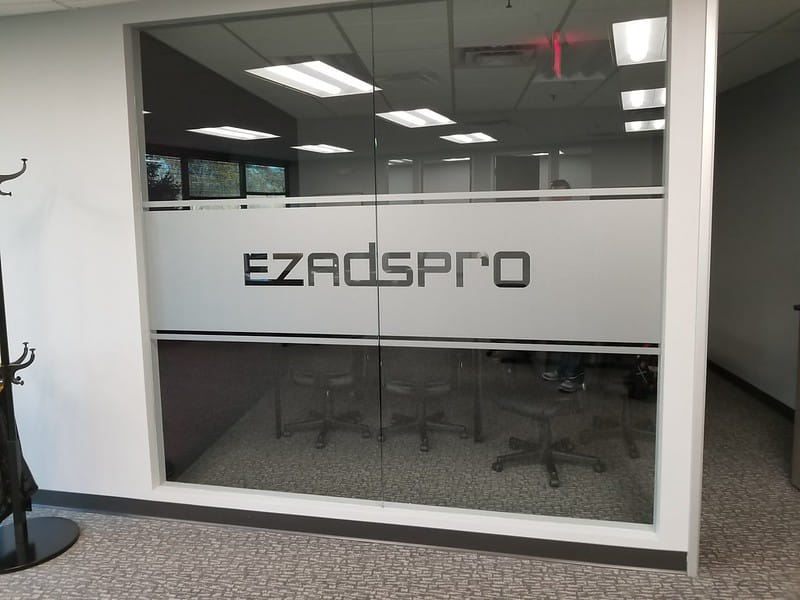
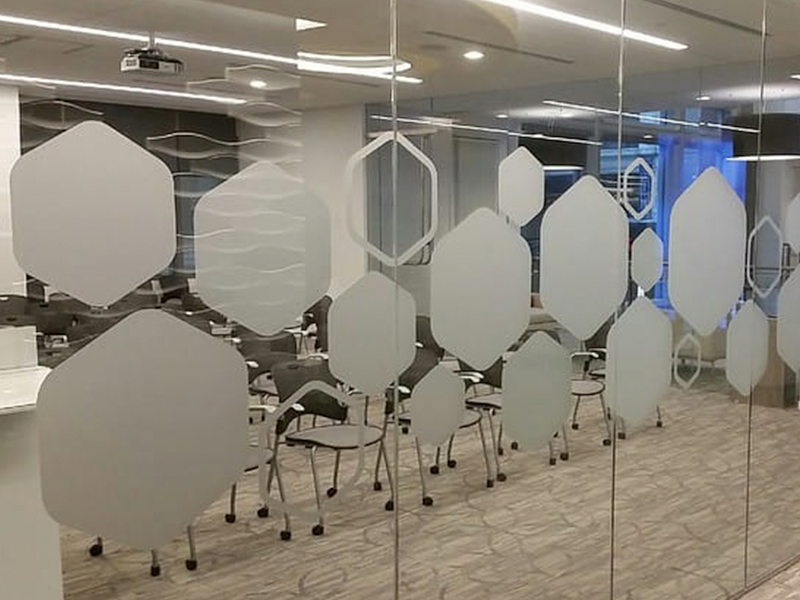
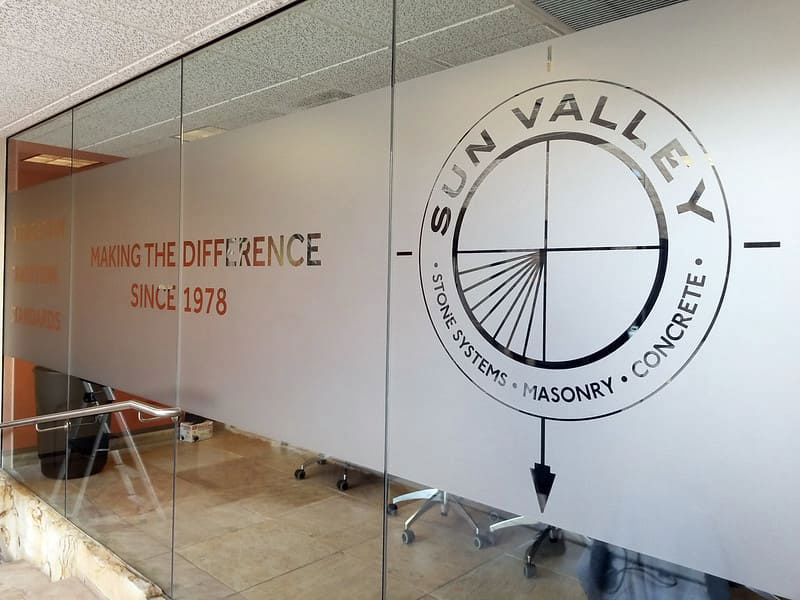
Etched and frosted boardroom windows, for instance, can not only add personality to a room but also provide a level of privacy for meetings and discussions. They can create a sophisticated and professional atmosphere while also conveying a sense of exclusivity and confidentiality.
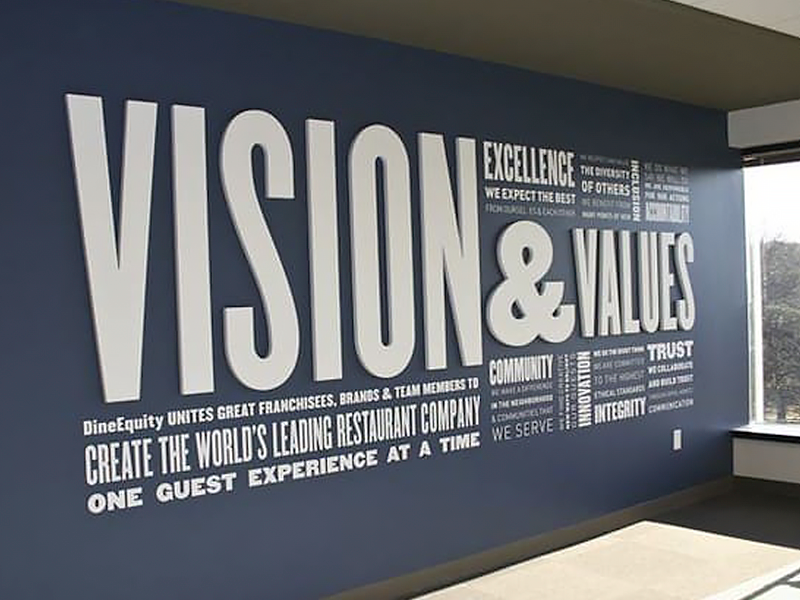
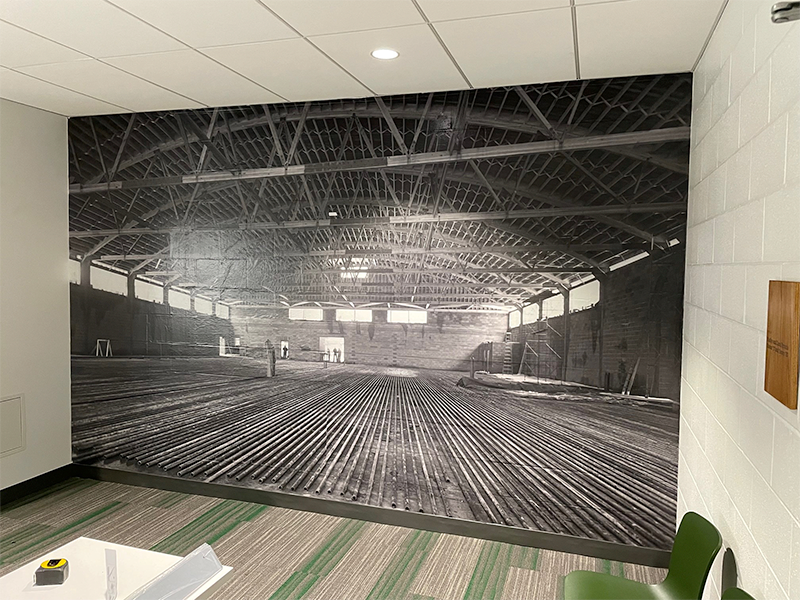
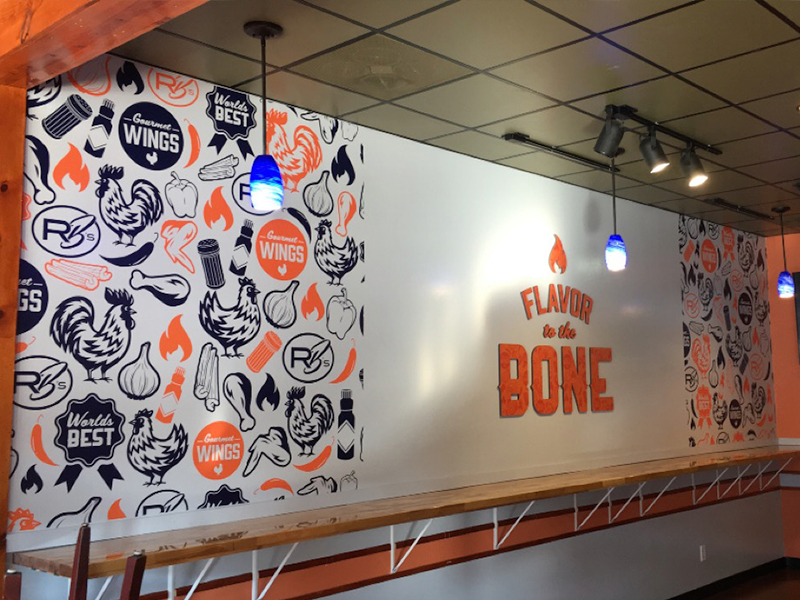
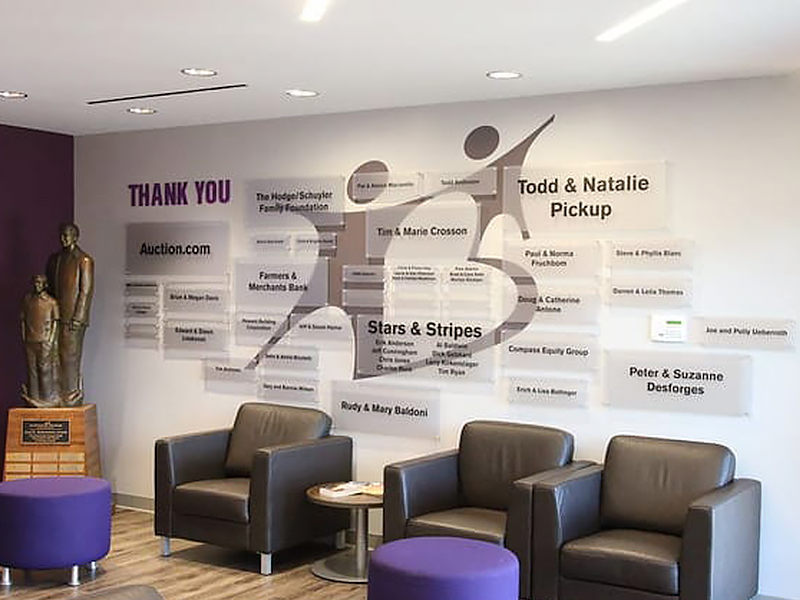
Wall murals, on the other hand, can inspire employees and reinforce company values. They can act as visual reminders of the organization's mission and purpose, while also serving as a source of motivation and inspiration for employees. They can also create a unique and inviting atmosphere that sets a positive tone for the workplace.
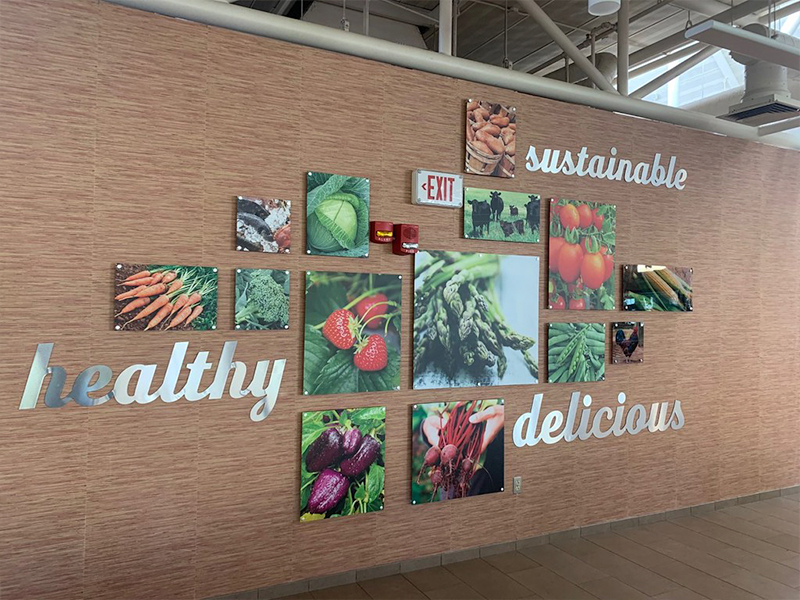
Illuminated displays in lobbies and printed shades on windows are other examples of how signage can be used in interior design. These displays can feature various forms of branding and messaging, such as logos, slogans, and product images. They can add depth and interest to a space while also creating a sense of excitement and energy.
Signage can come in many forms, from vinyl and 3D channel letters to custom canvas prints and table graphics. These elements can artfully support a company's corporate identity, conveying a sense of professionalism and sophistication that enhances the overall aesthetic of a space. By thoughtfully incorporating signage into interior design, businesses can create a cohesive and visually compelling environment that reflects their unique brand and values.


What Are Indoor Office Signs?
Indoor signs are visual, tactile, or illuminated displays used within a building to identify spaces, guide visitors, communicate rules, and reinforce an organization’s visual identity. In offices, they commonly include lobby and reception branding, private office and workstation nameplates, room identification signs, directories, directional signs, ADA and accessibility signage, safety and regulatory notices, wall, window, and floor graphics, and promotional displays for short-term campaigns.
Together, these signs serve three important purposes. Wayfinding signs help people reach the right place with less confusion, while brand signs make the space feel intentional and recognizable. Regulatory signs communicate required information and support accessibility and safety. When all three work together, an office feels less like a collection of rooms and more like a thoughtfully designed experience.
Types of Indoor Signs
Here are the primary indoor sign types and where each earns its keep –
Custom Office Door Signs
Custom office door signs identify who or what is behind a door and help visitors confirm they have arrived in the right place. Formats range from simple printed inserts in acrylic holders to engraved plaques, dimensional panels and ADA-compliant tactile signs.
Nameplates for Private Offices
For private and executive offices, nameplates can include a person’s name, title, department or credentials. Acrylic and aluminum systems offer a clean, professional appearance, while glass-look panels, wood accents and brass finishes create a more premium feel. The best choice fits both the brand and the frequency of personnel changes.
ADA Plaques for Permanent Rooms
Signs that identify permanent rooms or spaces—such as restrooms, conference rooms and break rooms—may need to meet the applicable requirements of the Americans with Disabilities Act and any state or local code. Under the federal standards, required tactile signs generally use raised characters duplicated in Grade 2 Braille, and visual elements must follow rules for features such as character style, spacing, finish and contrast. Tactile signs also have specific mounting-location requirements near doors.
Not every office sign needs Braille. Directional and informational signs are generally subject to visual criteria rather than tactile requirements, while employee names and titles can be treated differently from the permanent room designation. Because project conditions and local codes vary, confirm the final sign schedule and specifications for your facility before production.
Changeable Inserts for Flexible Offices
If people, departments or room uses change often, choose a modular sign with a replaceable insert. The permanent frame maintains a consistent look, while the printed insert can be updated quickly and economically. This is especially useful for hybrid workplaces, shared offices and conference rooms that seem to acquire new names every quarter.
Individual Letters, Logos and Dimensional Signage
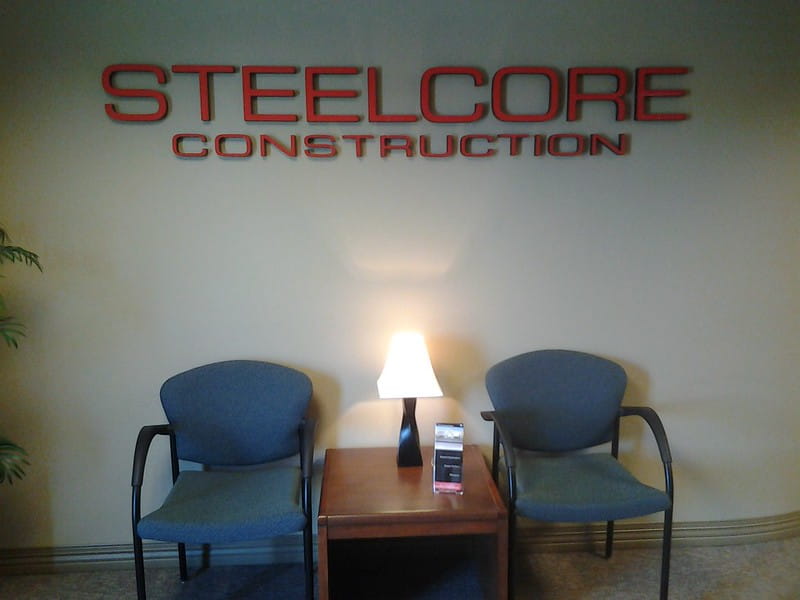
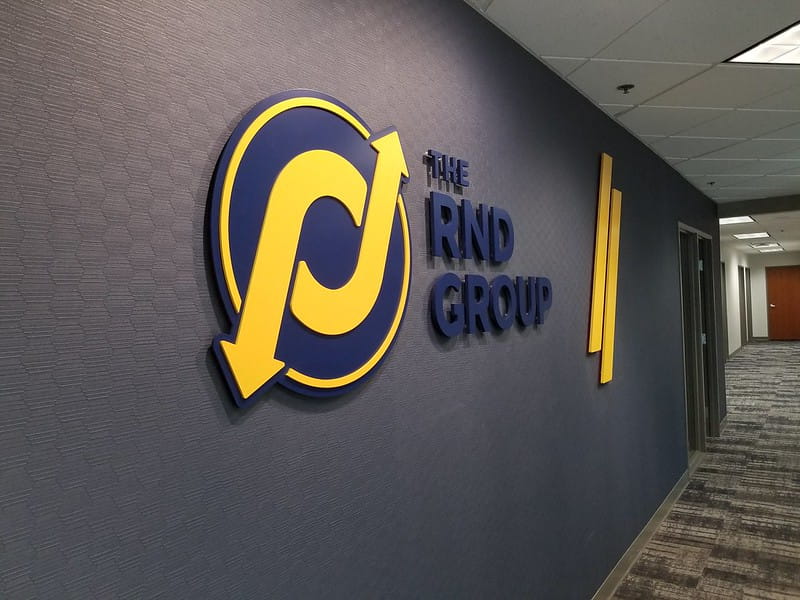
A lobby sign is often the first branded element a visitor sees. Individual letters, dimensional logos and layered panels create depth, texture and a sense of permanence that flat graphics cannot always match. They work especially well behind reception desks, in elevator lobbies, along feature walls and in client-facing conference rooms.
Material selection helps determine the final personality:
- Cut acrylic letters offer crisp edges, many color options and a modern look at an approachable price.
- Painted PVC or foam letters create dimension without the weight or cost of solid metal.
- Fabricated or cut aluminum letters deliver a durable, refined architectural finish.
- Brass, bronze or stainless-steel letters make a premium statement in executive, legal, financial and hospitality settings.
- Wood or wood-look letters add warmth to creative, wellness and nature-inspired brands.
For higher visibility, consider illuminated letters or a backlit logo. Halo lighting creates a sophisticated glow, while internally illuminated elements make the brand easier to see in dim reception areas. Lighting adds fabrication, electrical and installation considerations, but it can turn an ordinary wall into the office equivalent of a firm handshake.
Acrylic and vinyl are the budget heroes of many office sign programs. Acrylic looks polished without behaving like a luxury purchase, while vinyl can transform a wall or window quickly and economically. Aluminum costs more but offers excellent durability and a distinctly architectural finish. Glass and brass belong where the brand calls for a premium statement.
Design, Accessibility and Brand Consistency
Good office signage should be attractive, but its first job is to communicate. Use clear typography, appropriate character sizes and strong contrast between the text and background. Avoid overly decorative fonts for essential information, and test signs from the distance and angle at which people will actually read them. A typeface may look charming on a laptop and become alphabet soup from 20 feet away.
For signs subject to accessibility rules, specify the required raised characters, Braille, non-glare finishes, contrast, spacing and mounting details; accessible sign design is a coordinated set of requirements.
Across the sign family, keep colors, typography, shapes, finishes, icons and terminology consistent. A conference room plaque, lobby directory and directional sign do not need to be identical, but they should clearly belong to the same visual system.
Before production, the client should approve a final proof showing wording, spelling, dimensions, colors, materials, finishes and, when helpful, placement. Measure twice, proof once, then produce.
Ordering, Production and Fulfillment at Sir Speedy
A custom indoor sign project typically begins with a conversation about the space, audience, brand, budget and schedule. Your Sir Speedy team can help review measurements, recommend materials, develop the design and plan fabrication and installation.
Next comes proofing. You will receive a design proof to review for content, layout, colors, size and material details. Production begins after approval, so gather feedback from the right stakeholders before giving the green light.
Sir Speedy centers are locally owned and operated, with the resources and standards of a national network. Turnaround depends on quantity, materials, customization, compliance requirements and installation needs. Straightforward printed or insert-based signs may be completed relatively quickly, while dimensional, illuminated or large multi-sign projects require more production time. Rush service may be available.
Request a custom quote for your office sign project, or find your local Sir Speedy to schedule a free design consultation and discuss materials, accessibility, installation and timing. Ready to send files or place an order? Visit the Sir Speedy online shop and support portal.

Joseph Joseph
The staff members were friendly, polite, and very helpful throughout my visit. They assisted me in finding products quickly, answered questions patiently, and suggested suitable items based on my needs. Their professional attitude and willingness to help made the shopping experience smooth and enjoyable. Another thing I appreciated was the cleanliness and comfortable layout of the store. The aisles were easy to navigate, the products were properly labeled, and the checkout process was quick and organized. The overall environment felt welcoming and customer friendly.

Veronica Silva Realtor
The staff at Sir Speedy are so friendly and accommodating with my rush orders. I market luxury homes, and the quality of paper and printing is tops! From business cards to 4 page full-color brochures, I can always count on the quality that meets my brand requirements. I happy to refer them to other real estate agents.

Morgan Butler
New leadership in 2024. Great staff excellent prices and service follow up!

Alap Shah
I am so happy , how Fei Hsu and team worked with my Printing Job. Very neat and clean , committed, satisfied work. Strongly recommend. Compare to very big brand very reasonable and batter quality. definitely our place is your regular customer. Best luck and Best wishes to All team.

Larry Liu
Really nice and fast!

Michael Esparza
BOOOM! Talk about coming through in a short time frame, same day and 2 hours to be exact on a Friday when I needed it by Monday! I called 3 other places and all said no it's too short notice but when I called Sir Speedy and spoke to Martin he was great and made it happen for us. Thank you guys and you are now my go to printers!

Lyndi Caudle
Amazing! They were so helpful and sweet! They helped so much with our last minute sticker order. Not to mention it was Labor Day weekend! (Other spots earliest turn around date was the following Tuesday) I will definitely be back! Can’t thank them enough for helping me jumpstart my business!

Larry Talavera
April is awesome they are quick and cheaper than Kinkos or Maxcopy

April Rotella
Sir Speedy has excellent service. They always finish my projects in a timely and efficient manner. I have referred them to business associates many times. The owners go above and beyond to make sure that my needs are met. I will continue to use them and refer to friends and family.
Sir Speedy Rancho Cucamonga
#500
Rancho Cucamonga, CA 91730
Business Hours
- Monday: 8:30 AM - 5:00 PM
- Tuesday: 8:30 AM - 5:00 PM
- Wednesday: 8:30 AM - 5:00 PM
- Thursday: 8:30 AM - 5:00 PM
- Friday: 8:30 AM - 5:00 PM
- Saturday: Closed
- Sunday: Closed
- Phone number: 909-980-9922
- Email: [email protected]
- Directions


