
Blog Post | Oct 20, 2026
How to Create Brochures That Drive Business Results
A well-designed brochure captures attention, communicates value and inspires action. Learn how strategic brochure design can strengthen your marketing efforts and leave a lasting impression on your audience.
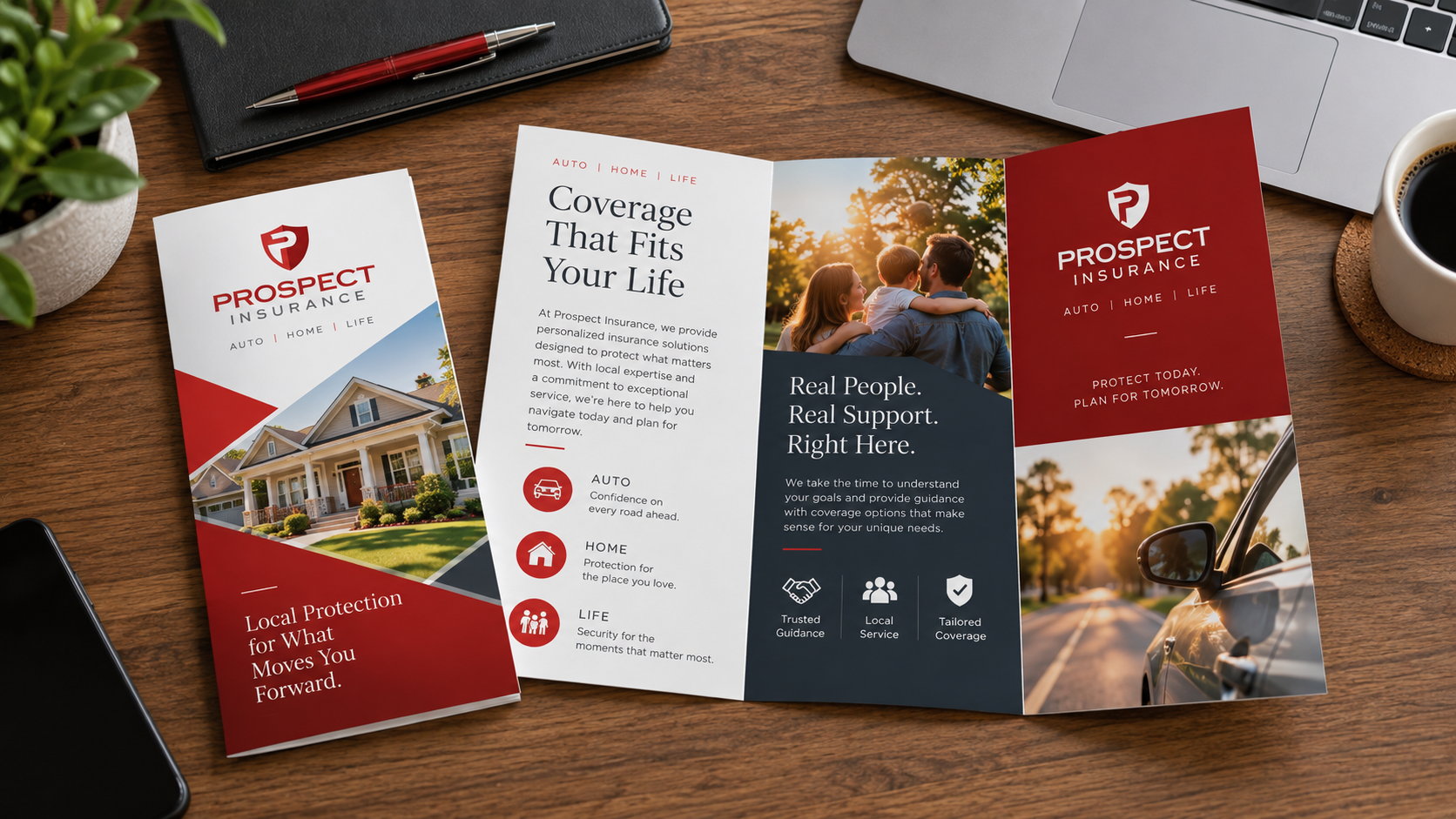
Even in today's digital-first world, brochures remain one of the most effective marketing tools for businesses looking to educate, engage and influence potential customers.
Whether displayed at a trade show, shared during a sales meeting or mailed directly to prospects, a professionally designed brochure provides a tangible way to tell your story and showcase your offerings.
But creating a brochure that stands out requires more than attractive graphics and polished copy. The most effective brochures combine strategic messaging, thoughtful design and a clear understanding of the audience they're meant to reach. When these elements work together, your brochure becomes a powerful marketing asset that helps drive awareness, generate interest and support purchasing decisions.
Here are key brochure design tips to help your marketing materials make a lasting impact. Start with a Clear Purpose Before choosing images, colors or layouts, define what you want your brochure to accomplish. Are you introducing a new product or service? Generating leads? Educating customers? Driving event registrations?
Your objective should guide every design and content decision. Equally important is understanding your target audience. Knowing who you're speaking to helps determine the messaging, visuals and tone that will resonate most effectively. When a brochure is built around a specific goal and audience, it becomes more focused, relevant and persuasive. Choose the Right Brochure Layout The format you select influences how readers interact with your content. A well-planned layout helps guide prospects through your message naturally and ensures key information is presented in a clear, organized way. Different brochure styles serve different purposes:
Capture Attention with a Strong Headline Your headline is often the first thing readers notice, and it may determine whether they continue reading. A compelling headline quickly communicates value and gives people a reason to learn more.
Focus on benefits rather than features whenever possible. Clear, customer-focused messaging paired with readable typography makes your brochure more engaging and easier to navigate. The best headlines answer an important question for prospects: "What's in it for me?"
Use High-Quality Visuals and Thoughtful Design Great brochure design balances visual appeal with functionality. High-resolution photography, professional graphics and consistent branding help create credibility and support your message.
Equally important is the strategic use of white space. Crowded pages can overwhelm readers and reduce engagement. Clean layouts with ample breathing room make content more inviting and easier to digest. Every visual element should have a purpose, whether reinforcing your message, highlighting key information or guiding readers through the brochure. Keep Content Concise and Action-Oriented One of the most common brochure design mistakes is trying to say too much. Readers want clear, relevant information that quickly explains how your product or service solves a problem or meets a need. Focus on benefits, outcomes and value instead of lengthy feature lists. Use short sections, bullet points and subheads to improve readability and help readers quickly find important information.
Most importantly, include a strong call to action. Whether you want readers to visit your website, schedule a consultation, request a quote or contact your team, make the next step clear and easy to follow.
Turn Your Brochure into a Powerful Marketing Tool An effective brochure does more than look professional. It serves as a strategic communication tool that helps build trust, reinforce your brand and move prospects closer to a buying decision.
By defining a clear purpose, choosing the right layout, crafting compelling headlines, incorporating quality visuals and focusing on concise, customer-centered messaging, you can create brochures that not only capture attention but also drive results.
In a crowded marketplace, thoughtful brochure design can help your business stand out, communicate value more effectively and create memorable experiences that leave a lasting impression long after the brochure is put down.
Whether displayed at a trade show, shared during a sales meeting or mailed directly to prospects, a professionally designed brochure provides a tangible way to tell your story and showcase your offerings.
But creating a brochure that stands out requires more than attractive graphics and polished copy. The most effective brochures combine strategic messaging, thoughtful design and a clear understanding of the audience they're meant to reach. When these elements work together, your brochure becomes a powerful marketing asset that helps drive awareness, generate interest and support purchasing decisions.
Here are key brochure design tips to help your marketing materials make a lasting impact. Start with a Clear Purpose Before choosing images, colors or layouts, define what you want your brochure to accomplish. Are you introducing a new product or service? Generating leads? Educating customers? Driving event registrations?
Your objective should guide every design and content decision. Equally important is understanding your target audience. Knowing who you're speaking to helps determine the messaging, visuals and tone that will resonate most effectively. When a brochure is built around a specific goal and audience, it becomes more focused, relevant and persuasive. Choose the Right Brochure Layout The format you select influences how readers interact with your content. A well-planned layout helps guide prospects through your message naturally and ensures key information is presented in a clear, organized way. Different brochure styles serve different purposes:
- Tri-fold brochures work well for detailed information broken into sections.
- Bi-fold brochures provide a clean, straightforward presentation for concise messaging.
- Gatefold brochures create a dramatic reveal and are ideal for showcasing new products, services or brand stories.
Capture Attention with a Strong Headline Your headline is often the first thing readers notice, and it may determine whether they continue reading. A compelling headline quickly communicates value and gives people a reason to learn more.
Focus on benefits rather than features whenever possible. Clear, customer-focused messaging paired with readable typography makes your brochure more engaging and easier to navigate. The best headlines answer an important question for prospects: "What's in it for me?"
Use High-Quality Visuals and Thoughtful Design Great brochure design balances visual appeal with functionality. High-resolution photography, professional graphics and consistent branding help create credibility and support your message.
Equally important is the strategic use of white space. Crowded pages can overwhelm readers and reduce engagement. Clean layouts with ample breathing room make content more inviting and easier to digest. Every visual element should have a purpose, whether reinforcing your message, highlighting key information or guiding readers through the brochure. Keep Content Concise and Action-Oriented One of the most common brochure design mistakes is trying to say too much. Readers want clear, relevant information that quickly explains how your product or service solves a problem or meets a need. Focus on benefits, outcomes and value instead of lengthy feature lists. Use short sections, bullet points and subheads to improve readability and help readers quickly find important information.
Most importantly, include a strong call to action. Whether you want readers to visit your website, schedule a consultation, request a quote or contact your team, make the next step clear and easy to follow.
Turn Your Brochure into a Powerful Marketing Tool An effective brochure does more than look professional. It serves as a strategic communication tool that helps build trust, reinforce your brand and move prospects closer to a buying decision.
By defining a clear purpose, choosing the right layout, crafting compelling headlines, incorporating quality visuals and focusing on concise, customer-centered messaging, you can create brochures that not only capture attention but also drive results.
In a crowded marketplace, thoughtful brochure design can help your business stand out, communicate value more effectively and create memorable experiences that leave a lasting impression long after the brochure is put down.